
.webp)


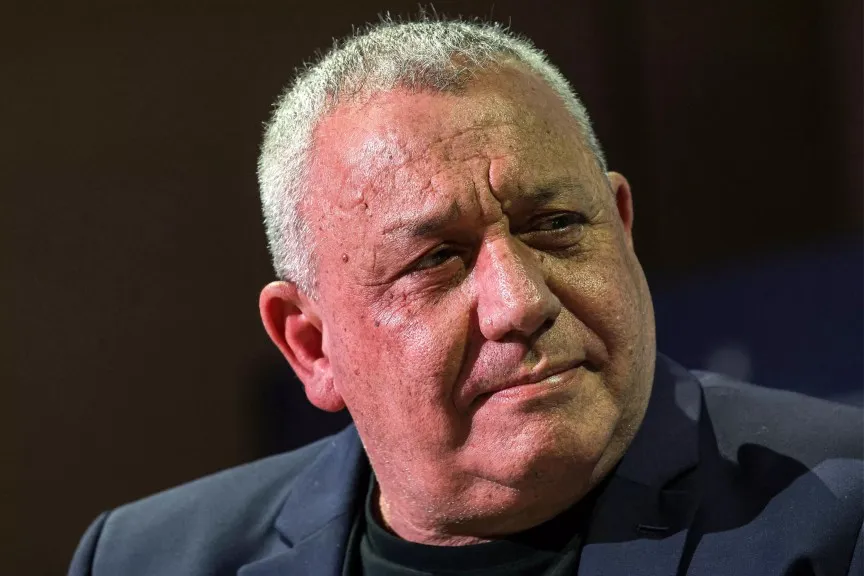
Former military chief Gadi Eisenkot begins building Israel's coalition
Israeli President Isaac Herzog officially directed former military chief Gadi Eisenkot to establish the nation's next administration following an inconclusive October 27 parliamentary election. Backed by 67 lawmakers in the 120-seat Knesset, the Yashar party leader now assumes the difficult task of ending Benjamin Netanyahu's extended dominance over national politics.Decades of fractured alliances and the ongoing fallout from recent conflicts have left Israel navigating severe internal political gridlock. Handover formalities for this crucial mandate will occur at the official Jerusalem residence on Sunday evening. This ceremonial transfer initiates a strict 28-day statutory timeline for intense political negotiations, with a potential 14-day extension available if initial talks falter.
Knesset Voting Breakdown
Consultations revealed a clear shift in legislative support. Sixty-seven representatives endorsed the former defense chief, while 46 aligned with the current caretaker prime minister. Seven members of the ultra-Orthodox United Torah Judaism faction declined to nominate anyone. Support for the designated leader stems from his own centrist faction, the wider opposition bloc, and historical backing from 19 Arab lawmakers.
Securing initial endorsements rarely guarantees stable governance within deeply divided parliamentary systems. Forming a functional majority requires the designated prime minister to bridge vast ideological gaps between right-wing defectors, centrist reformers, and Arab representatives. These minority factions hold significant leverage but historically prefer supporting administrations from the opposition benches rather than accepting formal ministerial positions.
Also read: Trump says US is not at war with Iran, claims no casualties in five months
Netanyahu still pushing for a broader national unity structure while strictly warning against relying on Arab factions for parliamentary survival. For his challenger, who previously participated in emergency wartime cabinets before becoming a vocal critic of military operations, succeeding would mark a major shift in domestic leadership. Failure to secure enough cabinet votes within the designated window could force the nation into another costly election cycle early next year.
.webp)