
.webp)

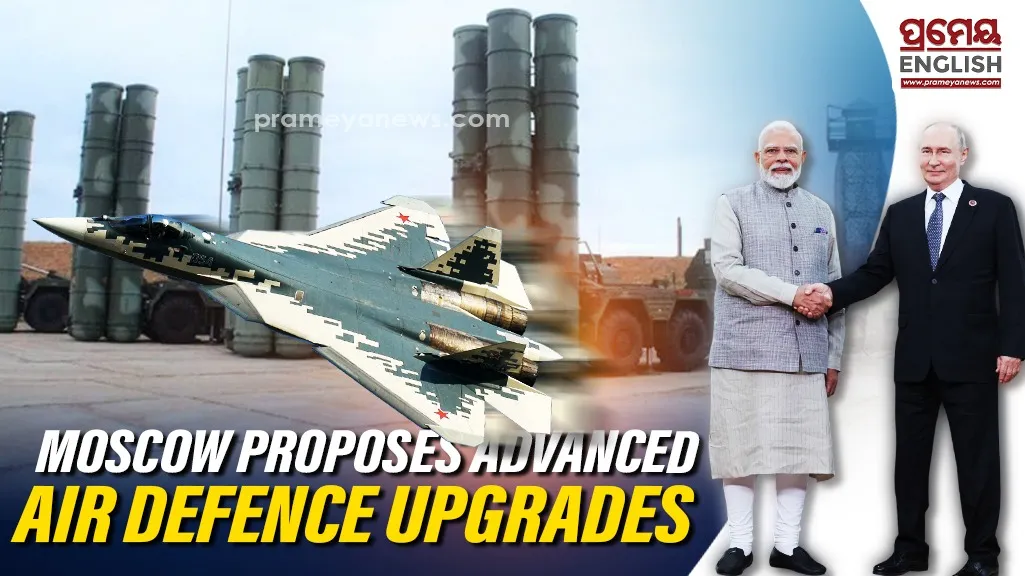
Russia pitches advanced missile shields and stealth fighters to India
Russia is mounting an intense diplomatic effort to supply India with its latest military hardware, focusing heavily on the S-500 Prometheus air defence system and the fifth-generation Su-57 Felon stealth jet. Following talks between Russian President Vladimir Putin and Prime Minister Narendra Modi in Bishkek, Moscow submitted a formal bid to provide five additional S-400 squadrons, seeking to build on the system's performance during Operation Sindoor, where it successfully engaged aerial targets at record distances.
Balancing Imports against Homegrown Capabilities
Indian military planners face a strategic choice as domestic programmes gain momentum. India is already advancing its own ballistic missile shield and validating elements of Project Kusha, an indigenous initiative designed to provide long-range interception capabilities similar to Russian systems. Procuring the advanced S-500 offers immediate defensive strength, but decision-makers must determine whether buying foreign platforms duplicates years of domestic research and funding.
Stealth Dilemma Facing Indian Air Fleet
Regional aerial dynamics complicate India's combat jet strategy. China currently fields over 500 J-20 stealth fighters, while Pakistan prepares to receive Chinese J-35 stealth jets. In contrast, India's homegrown Advanced Medium Combat Aircraft remains years away from operational service. Moscow has offered technology transfer and local production for the Su-57 to fill this gap. However, introducing another foreign fighter would expand an already diverse fleet that operates French Rafales, Mirage 2000s, British-French Jaguars, Russian Su-30MKIs, MiG-29s, and domestic Tejas jets.
Russian proposals also cover Voronezh strategic early-warning radars, Su-30MKI upgrades with HAL, and Kilo-class submarine overhauls. Decades of joint military projects give Moscow deep roots in Indian supply chains, yet New Delhi continues to balance partnerships through deals like American Javelin missiles and planned purchases of 114 French Rafales. Historically, major global powers have used high-tier defence sales to anchor strategic influence, making these discussions central to how India protects its airspace over the coming decades.
.webp)