
.webp)

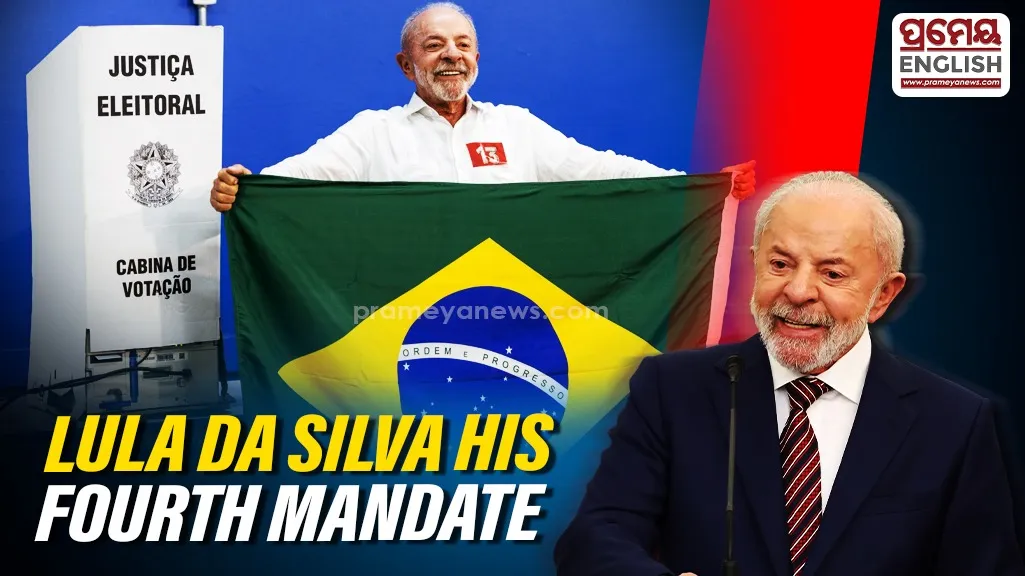
Historic victory will reshape Latin American politics
Luiz Inacio Lula da Silva clinched a historic fourth presidential mandate by defeating right-wing challenger Flavio Bolsonaro in a fiercely contested runoff. Securing 51.8 percent of the valid votes compared to his opponent's 48.2 percent, the 80-year-old leader delivered a significant blow to the conservative political machinery established by former President Jair Bolsonaro. Sunday's dramatic electoral outcome halts a recent rightward shift across Latin American democracies and sets the stage for extended regional realignment. The veteran leader previously governed from 2003 to 2010 before returning to power in 2022 following the annulment of controversial corruption charges.
Election controversy and market volatility
Voting day concluded with intense disputes following late extensions of poll operating hours and multiple unverified claims of voter suppression. Flavio Bolsonaro immediately demanded the total annulment of the final results, signaling deep, irreconcilable ideological divisions across the nation. Financial analysts anticipate significant asset selloffs on Monday morning, fearing prolonged political instability instead of the fiscal consolidation many investors had expected under a conservative administration. Historically, Brazilian financial markets prefer center-right policies that prioritize deficit reduction and aggressive deregulation over expansive public welfare programs.
Also read: Cyclone Arnab intensifies over BoB; Andhra Pradesh & South Odisha on alert
Pressing economic hurdles confront returning leader
Rebuilding national unity remains a daunting challenge for the incoming administration. Brazilian household debt currently stands at its highest point in two decades, while elevated interest rates and growing federal deficits severely restrict government spending options. During the final two weeks of his campaign, the leftist veteran aggressively targeted undecided citizens and previous non-voters by introducing robust social interventions. These immediate measures included expanded family welfare payments under the federal Bolsa Familia program, strict blanket bans on online gambling platforms, consumer debt refinancing plans negotiated with private lenders, and the free public distribution of weight-loss medication.
Northeast region has a working class loyalty
Working-class voters from the historically impoverished Northeast region ultimately secured the victory, proving their enduring, deep-seated loyalty to the former trade unionist. Political analyst Creomar de Souza noted that this narrow electoral triumph arrived during a period of deep institutional fragility. Looking forward, the administration must quickly build functional congressional coalitions while reassuring nervous foreign and domestic investors about future financial discipline. Defying early expectations of his permanent political retirement, the veteran leader now faces four critical years to stabilize Latin America's largest economy and redefine his long-term legacy without any clear successor in sight.

Lula greeted by his supporters
.webp)