

.webp)

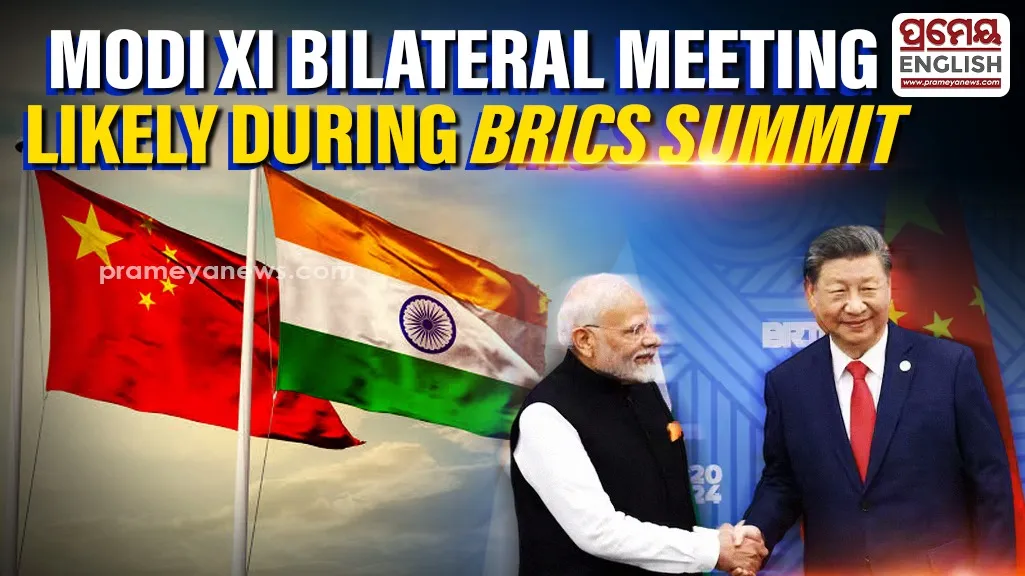
Modi and Xi eye direct talks during BRICS gathering
Prime Minister Narendra Modi plans to hold direct talks with Chinese President Xi Jinping during the 18th BRICS Leaders' Summit scheduled for September 12 and 13 in New Delhi. This planned engagement represents the first bilateral discussion between both leaders on Indian soil since violent clashes in eastern Ladakh fractured diplomatic ties six years ago. Xi lands in the national capital on Saturday, marking his first journey to India in seven years.
📲Follow our WhatsApp Channel for the latest news, breaking updates, and important headlines. Stay connected with us for more updates!
Decisive Shift in Bilateral Relations
Diplomatic ties broke down sharply following the June 2020 face-off in eastern Ladakh's Galwan Valley, where 20 Indian personnel and at least four Chinese soldiers lost their lives. Multiple rounds of negotiations via military corps commanders and the Working Mechanism for Consultation and Coordination on India-China border affairs gradually facilitated troop disengagement at key friction points along the Line of Actual Control. National Security Adviser Ajit Doval also traveled to Beijing recently to prepare groundwork for high-level talks, aiming to steady relations after prolonged estrangement. Historically, peace on the frontiers has formed the essential foundation for broader commercial and diplomatic engagement between both nations.
Tensions persist along the eastern boundary despite stability returning to Ladakh. Beijing continues asserting baseless claims over Arunachal Pradesh by assigning unilateral names to local sites, an effort New Delhi firmly rejects while reaffirming the state as an inalienable territory of India. Recent troop activity around the Upper Subansiri district adds fresh friction to boundary deliberations.
Also Read: The 80s are back! Politicians, Bollywood stars and sportspersons go retro With AI
Diplomatic channels anticipate dialogue extending beyond frontier disengagement toward global trade, regional security, and economic collaboration. Both Asian powers navigate escalating trade tariffs enacted by Washington alongside regional instability across West Asia, prompting mutual interest in stable working ties through multilateral forums.
.webp)