

.webp)

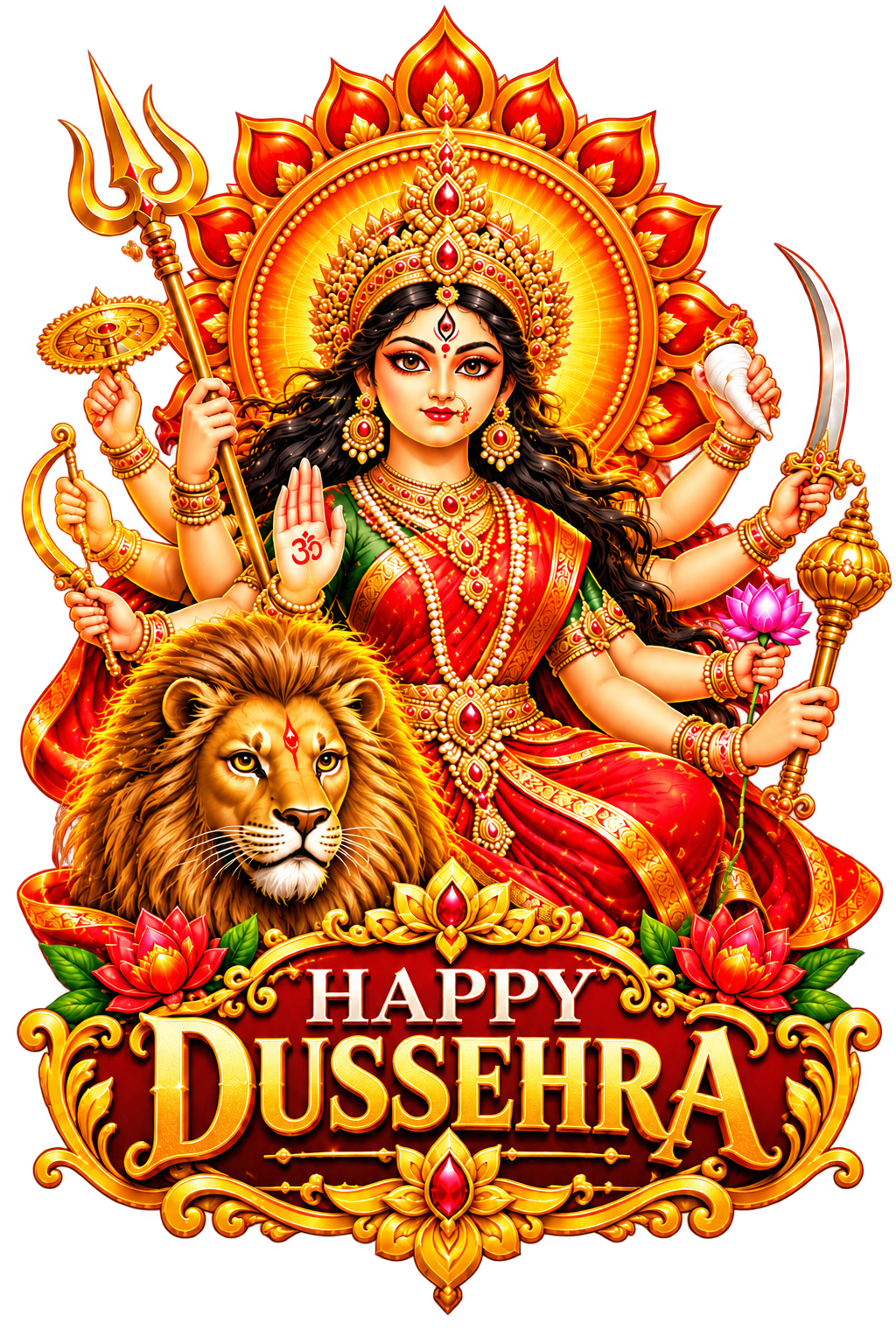

Dussehra, also known as Vijayadashami, will be celebrated on Tuesday, October 20, 2026, in most parts of India. However, the festival's date has caused some confusion as the Dashami tithi continues until the afternoon of October 21. In West Bengal, Bijoya Dashami will be observed on October 21, following regional traditions associated with the conclusion of Durga Puja.
The difference in dates is linked to regional customs and the rules followed to determine festival observances according to the Hindu calendar. Devotees planning puja rituals, Shami puja or Ravan Dahan celebrations should check the timings applicable to their city.
Dussehra 2026: October 20 or 21?
Dussehra will be observed on October 20 in most parts of India, including North India. The festival symbolises the victory of good over evil and commemorates Lord Ram's victory over Ravana, as described in the Ramayana.
According to the Hindu panchang timings provided for New Delhi, the Dashami tithi begins at 12:50 pm on October 20 and ends at 2:11 pm on October 21. Since the tithi extends across two calendar days, regional traditions may determine the festival date differently.
In West Bengal, Bijoya Dashami will be observed on October 21, when devotees bid farewell to Goddess Durga at the conclusion of Durga Puja.
Dussehra 2026: Puja muhurat and important timings
Dussehra date: Tuesday, October 20, 2026
Dashami tithi begins: 12:50 pm on October 20
Dashami tithi ends: 2:11 pm on October 21
Vijay Muhurat: 1:59 pm to 2:45 pm on October 20
Aparahna Puja period: 1:14 pm to 3:30 pm on October 20
Vijay Muhurat is considered an auspicious period for beginning important activities and performing certain Vijayadashami rituals. Depending on family customs and regional traditions, devotees may worship Goddess Aparajita and the Shami tree.
These timings are specific to New Delhi and may vary by location. Devotees are advised to consult their local panchang before performing rituals.
Ravan Dahan 2026: When will the effigies be burnt?
Ravan Dahan, the burning of effigies of Ravana, Meghnad and Kumbhkaran, is traditionally held on the evening of Dussehra. In many parts of North India, the event follows Ramlila performances depicting episodes from the Ramayana.
On October 20, people are expected to gather at local grounds and public venues for the celebrations. However, there is no single nationwide timing for Ravan Dahan. The schedule depends on local sunset, religious customs and arrangements made by organising committees.
People planning to attend the celebrations should check announcements issued by local Ramlila committees or municipal authorities for the exact time and venue.
Why is Dussehra celebrated?
Dussehra represents the triumph of righteousness over evil. According to the Ramayana, Lord Ram defeated Ravana to rescue Sita and restore dharma. The burning of Ravana's effigy symbolises the defeat of arrogance, injustice and wrongdoing.
The festival also commemorates Goddess Durga's victory over the demon Mahishasura. In several parts of eastern India, Vijayadashami marks the conclusion of Durga Puja, with devotees bidding farewell to the Goddess before her idol immersion.
Celebrations vary across the country. Ramlila performances and Ravan Dahan are prominent in many northern cities, while Mysuru is renowned for its Dasara festivities. In Kerala, Vijayadashami is associated with Vidyarambham, a ceremony marking the beginning of a child's formal education.
Despite regional differences in dates and rituals, Dussehra carries a common message: the ultimate victory of good over evil.
.webp)