
.webp)


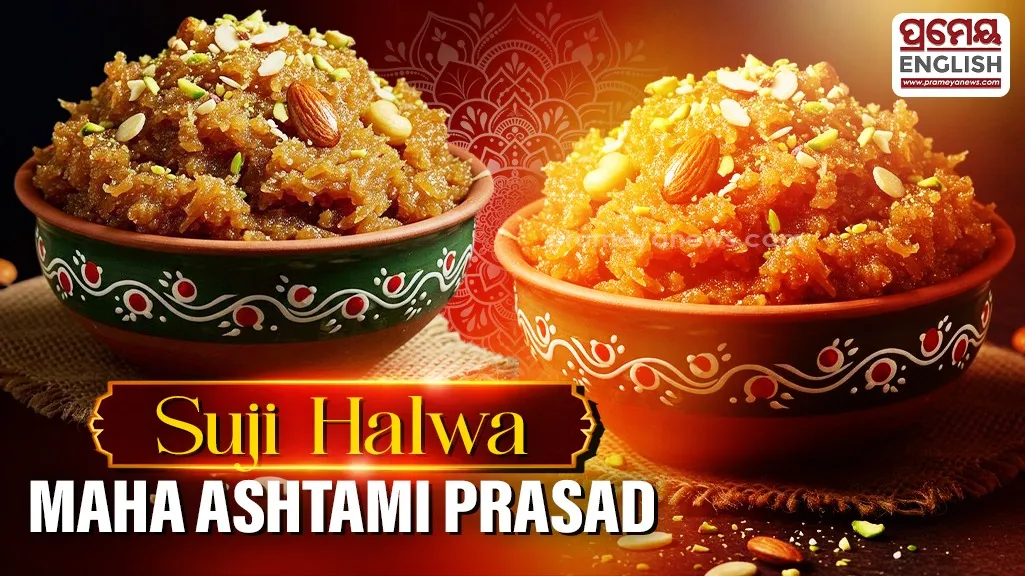
Crafting traditional semolina prasad takes only four quick steps
Marking the eighth day of Navratri, Maha Ashtami brings deep spiritual devotion and traditional food offerings for Goddess Durga. Devotees across the country prepare sacred meals, and this festive spread remains absolutely incomplete without the classic suji halwa bhog. Recognised for its comforting texture and rich flavour, this simple semolina dessert is a foundational piece of the holy prasad plate. Cooking this traditional dish requires minimal ingredients, making it highly accessible for busy households wanting to perform their rituals perfectly during the 2026 festivities.
Essential ingredients for sacred prasad
Gathering the right components ensures the final dessert achieves the perfect consistency and authentic sweet taste. Devotees need one cup of high-quality suji (semolina), one-fourth cup of pure melted ghee, and one full cup of fresh milk. Sweetness comes from half a cup of sugar, while one-fourth teaspoon of finely ground cardamom powder adds the required aromatic warmth. Finishing touches require just a pinch of premium saffron strands and a handful of freshly chopped nuts. Maintaining these exact measurements helps balance the rich flavors properly for the holy offering.
Cooking steps for devotional dessert
Preparing this traditional offering involves four straightforward stages in the kitchen. First, heat the measured ghee in a heavy-bottomed pan and gently stir in the suji. Roast the semolina continuously until it develops a rich golden brown color, releasing a warm, nutty aroma throughout the room. Second, gradually pour the milk into the roasted mixture while stirring vigorously. Continuous mixing prevents unwanted lumps and helps the hot dessert reach a naturally thick, smooth consistency.
Also read: Maha Ashtami observed at Odisha Shakti Peeths
Cultural significance of festival food
Third, introduce the sugar directly into the pan and let the halwa cook gently until the sweet crystals dissolve completely into the creamy mixture. Finally, remove the pan from the heat source. Garnish the warm prasad generously with the chopped nuts and delicate saffron strands. This freshly prepared dish is now ready to be offered to Goddess Durga during the morning or evening Maha Ashtami prayers. Families pass down these quick dessert recipes through generations to keep holy religious rituals alive in modern times.
.webp)