


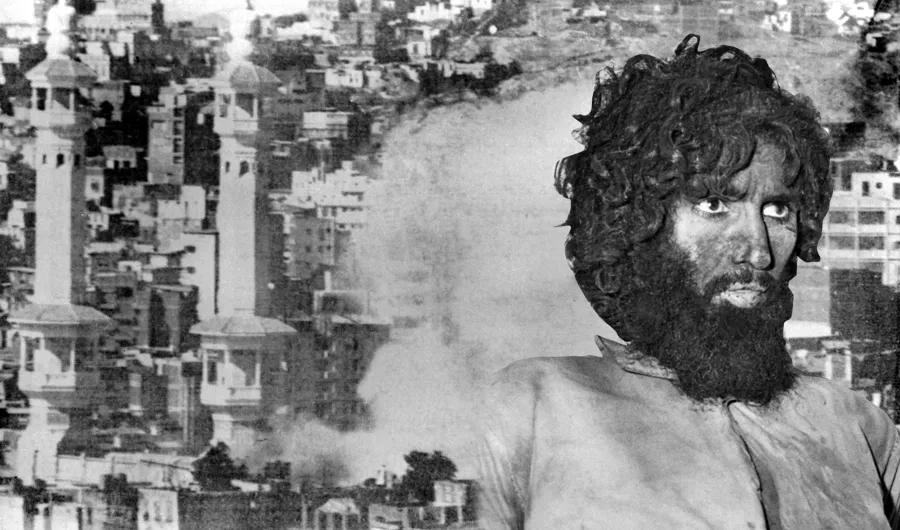
Recent Houthi drone threats recall a historic 1979 takeover
Recent emergency sirens in Saudi Arabia have triggered haunting reflections on a historic crisis at Islam’s holiest site. Authorities activated an unprecedented Mecca security alert following a recent Houthi drone threat, forcing residents to seek shelter. This rare disruption quickly brought back memories of November 20, 1979, when radical insurgents violently seized control of the Grand Mosque.
📲Follow our WhatsApp Channel for the latest news, breaking updates, and important headlines. Stay connected with us for more updates!
Forty-seven years ago, radical preacher Juhayman al-Otaybi led roughly 600 armed militants into the sacred compound. They smuggled weapons inside coffins and struck just as 50,000 worshippers gathered for morning prayers. The extremists declared Mohammed Abdullah al-Qahtani as the Mahdi, demanding an immediate overthrow of the Saudi monarchy and an end to western alliances. Geopolitically, this 1979 crisis occurred during a highly volatile year that also saw the Iranian Revolution and the Soviet invasion of Afghanistan, fundamentally altering Middle Eastern diplomacy.
Two week standoff and rescue
Hostages found themselves trapped in a grueling two-week siege. Saudi forces struggled to breach the heavily fortified gates, eventually seeking tactical support from French and Pakistani commandos. Military units pumped disabling gas into the underground labyrinths where the surviving insurgents had barricaded themselves.
Intense firefights left over 270 people dead and hundreds severely wounded. Saudi Arabia responded with severe judicial force, publicly beheading 68 captured militants, including Juhayman. This confrontation drastically shifted domestic policies, pushing the government to enforce strict religious codes across society for decades.
Also Read: Sirens sound in Mecca for first time ever while rebel forces claim downed fighter jet over Marib
Today, while the modern drone attack represents an external conflict rather than internal religious extremism, the activation of civil defense protocols remains deeply unsettling. Saudi forces successfully intercepted the recent aerial threat before it breached restricted airspace. However, the brief panic served as a striking reminder of how vulnerable sacred spaces can feel during sudden military escalations.