


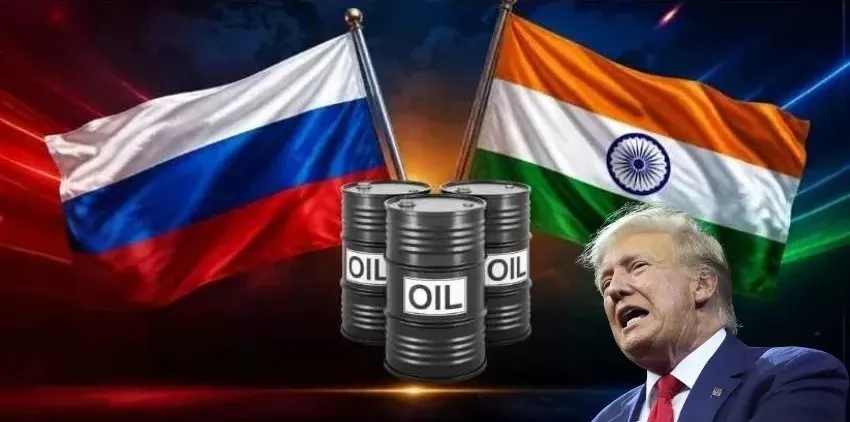
India firmly defends energy strategy following aggressive US legislation
New Delhi delivered a firm response on Thursday regarding its energy strategy after American lawmakers passed aggressive legislation targeting Moscow’s petroleum trade. Representatives in Washington approved the Lindsey O. Graham Sanctioning Russia and Iran Act of 2026 by a margin of 262-159. This sweeping mandate grants the United States executive branch unprecedented authority to levy 100 percent tariffs on the top five international buyers of Russian petroleum products, a group that prominently features India and China.
Officials from India’s Ministry of External Affairs quickly addressed the development, declaring that they will implement all necessary steps to shield national trade and economic interests. Government representatives emphasized their overriding obligation to guarantee energy security for 1.4 billion citizens through diverse supply chains and shifting market realities. Securing reliable and cost-effective fuel access remains crucially important for India's rapidly expanding manufacturing sectors and domestic transport networks, especially given current geopolitical supply chain disruptions.
Trade statistics highlight exactly why Russian supplies remain critical to South Asian energy grids. During the 2026 fiscal year, Indian refiners purchased $40.8 billion worth of crude from Moscow. This volume accounted for roughly 30.3 percent of total national imports, with that dependency reportedly surging past 50 percent by mid-year. These substantial imports helped regional refiners manage local inflation while fulfilling domestic fuel demands at highly competitive margins.
American legislation now heads to the Oval Office for final signature. Beyond targeting international purchasers, this measure also aims at Moscow’s energy sector and the covert shadow fleet of maritime vessels reportedly used to bypass existing trade blockades. If fully enforced, this act could severely complicate ongoing bilateral trade negotiations between Washington and New Delhi, forcing diplomats to navigate an entirely new set of economic hurdles.