


External Affairs Minister highlights Washington intentionally retreating from global dominance
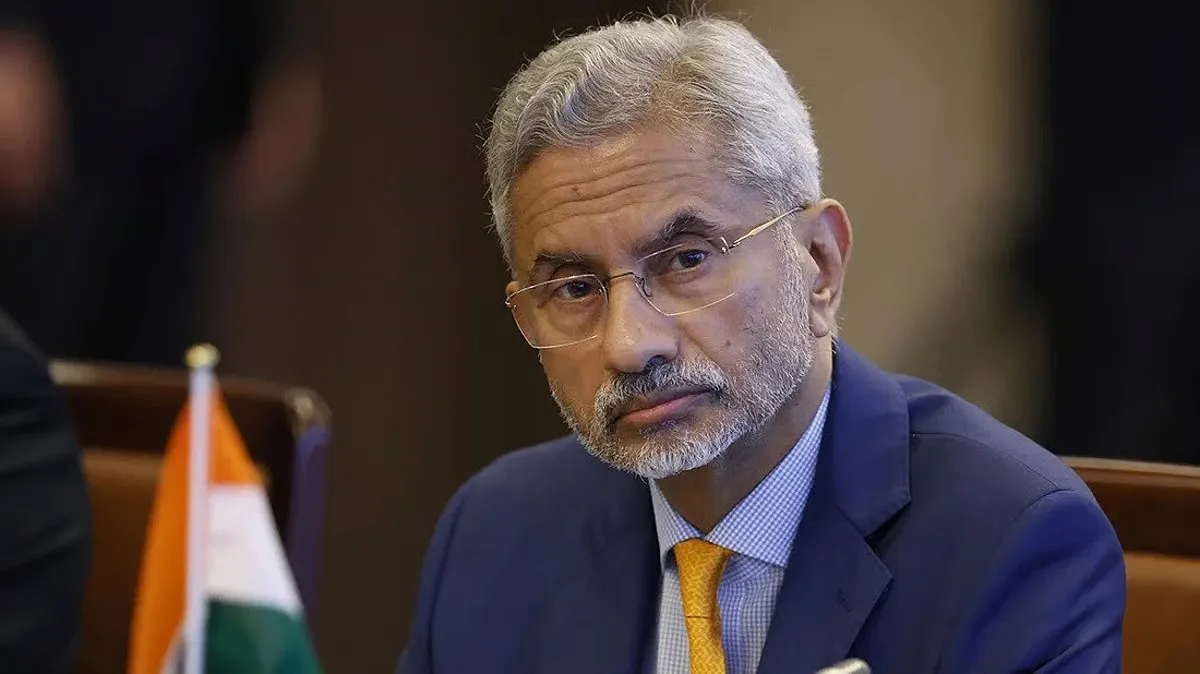
Speaking at the 62nd Munich Security Conference, External Affairs Minister S Jaishankar observed that Washington has intentionally isolated itself from direct global dominance. He noted that this radical repositioning by American leadership, combined with China aggressively expanding its footprint, is completely reshaping international relations. Beijing currently commands roughly one-third of total global manufacturing, effectively translating economic weight into political leverage. Historically, post-Cold War stability relied heavily on unipolar dominance, but modern geopolitical realities demand that developing nations navigate deeply fragmented superpower interests. Jaishankar explained that intense rivalry between Washington and Beijing defines modern diplomacy. This friction routinely triggers the weaponization of economic dependencies across borders. Despite this sharp competition, deep economic interdependence forces even rival nations into complex working relationships.
Middle powers prioritise strategic independence
Emerging nations understand their unique vulnerabilities and are actively pursuing aggressive self-reliance. Indian policy experts frequently identify this strategic push as Atmanirbhar. Rather than aligning entirely with one singular superpower, developing countries focus heavily on de-risking critical supply chains and establishing highly flexible partnerships. Perfect ideological alignment is no longer necessary for state cooperation; finding enough practical touchpoints allows governments to collaborate successfully on targeted agendas.
Fresh diplomatic architecture is taking shape through specialized multilateral forums. Multilateral groups like BRICS give developing economies the platform to project a much stronger collective voice on international stages. Regional frameworks like the Quad foster balanced, issue-based cooperation without forcing direct confrontations. Furthermore, alternative infrastructure networks like the India-Middle East-Europe Economic Corridor provide essential trade route diversification. These flexible arrangements empower developing states to maintain functional ties with competing global powers while firmly protecting their own regional stability.