.webp)


Eating these 8 kitchen vegetables the right way can lower cancer risk
Highlighting how everyday kitchen habits shape long-term health, an oncologist has spotlighted eight common vegetables that help lower cancer risk while warning that routine cooking methods often weaken their protective benefits. While no single item cures or stops the disease alone, a plant-forward diet supplies fibre, vitamins, and phytochemicals while supporting healthy body weight. Findings in Nutrition Journal indicate that healthier daily diets and lifestyle habits could help prevent 30% to 40% of cancer cases. "I am a cancer surgeon, and here are 8 vegetables linked to lower cancer risk. You are probably cooking them wrong," the oncologist noted. With cancer cases climbing across India, small adjustments to everyday home cooking offer a practical preventive step.
Kitchen staples that need gentle heat
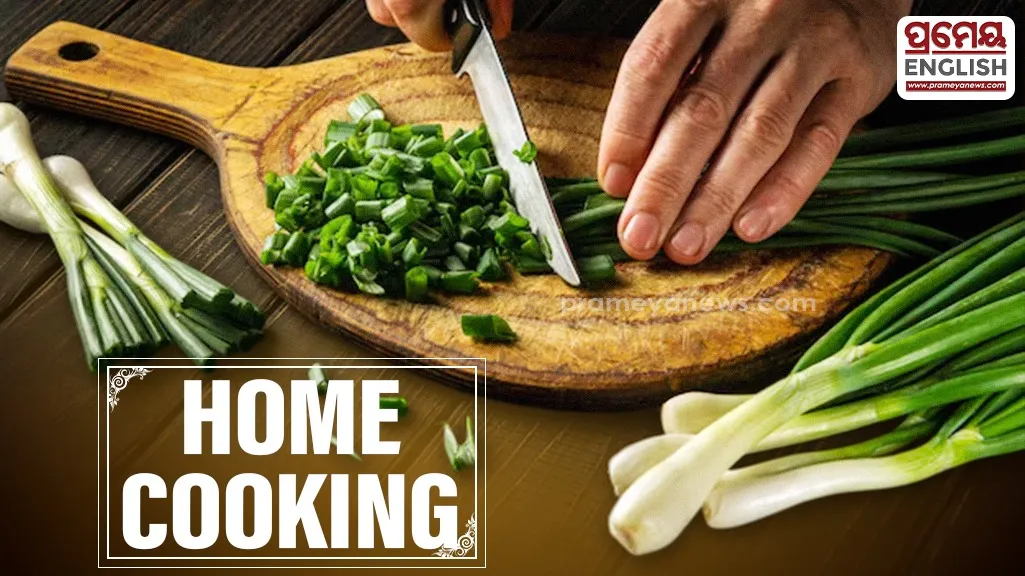
Garlic and onions lead the oncologist's recommendations. Linked to reduced stomach cancer risk, garlic works best when chopped or minced and rested for 10 minutes before cooking. Stirring it in near the finish preserves potency, while heating it past 10 minutes lowers its value; raw crushed garlic also fits neatly into raitas. Onions concentrate key nutrients in their outer layers, so eating them raw in salads, raitas, or onion-tomato chutney—or lightly cooked—keeps their nutrition intact.
Cooking tomatoes and carrots with oil
Gentle heat improves certain vegetables instead of harming them. Cooking tomatoes boosts lycopene, a pigment tied to lower cancer risk. "Oil helps you absorb lycopene, its red pigment," the oncologist explained, cautioning against packaged ketchup loaded with sugar and salt. Lightly cooking carrots with oil similarly helps, providing three to six times more vitamin A than eating them raw.
Smart prep for cruciferous vegetables and mushrooms
Cauliflower, cabbage, and broccoli need quick cooking to retain nutrients. Steaming or stir-frying cauliflower for dal or gobhi matar keeps compounds that boiling washes away, though the oncologist noted gobhi manchurian does not count. Cabbage should be rinsed well and steamed or stir-fried into poriyal or thoran rather than boiled soft and drained. Lightly steaming broccoli for three to four minutes until bright green and topping it with freshly crushed rai (raw mustard seeds) boosts sulforaphane, whereas high heat ruins helpful enzymes. Mushrooms, tied to lower breast cancer risk, must be cooked on a grill or pan for five to seven minutes in dishes like mushroom-matar or omelettes. Wild mushrooms must never be eaten because some varieties are toxic. Eating all eight items daily is unnecessary. Consuming roughly 400 grams, or five handfuls, of varied fruits and vegetables each day supports lasting health.
.webp)