
.webp)


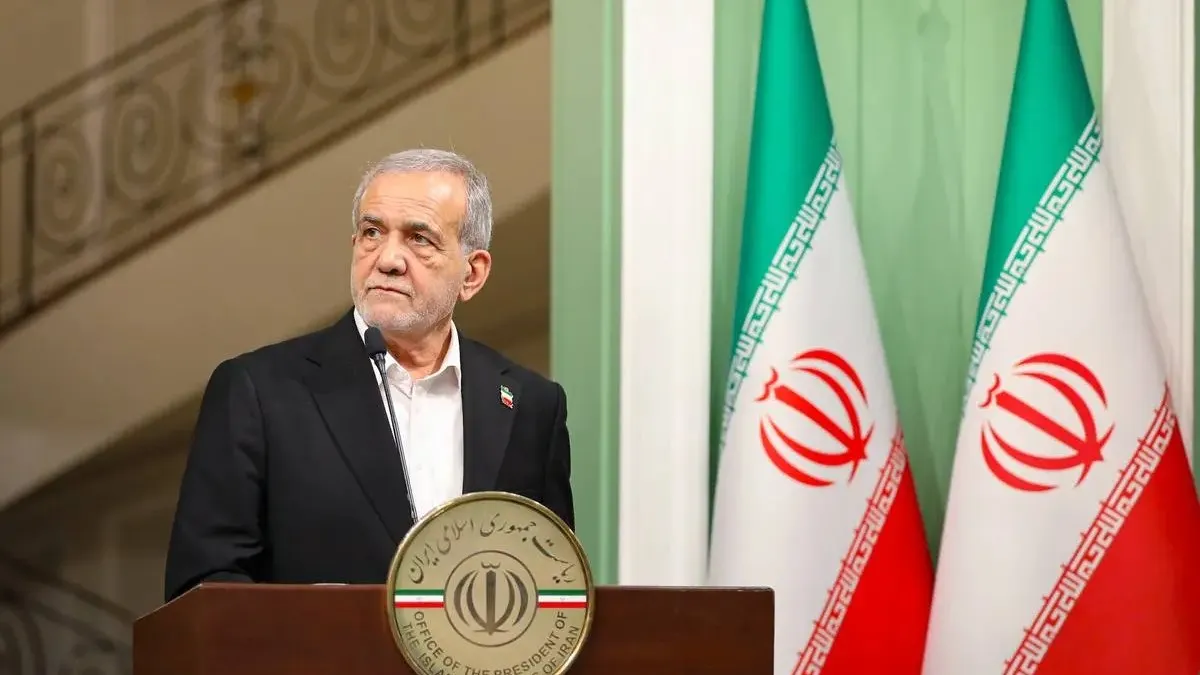
Iran's leader seeks regional unity over foreign military intervention
Iranian President Masoud Pezeshkian has issued a strong appeal for regional unity, proposing a brand new coalition to manage growing geopolitical threats. Speaking during the Nowruz and Eid al-Fitr holidays, he emphasized that Tehran wants peace, not war, with its neighboring Muslim countries. This declaration comes at a highly volatile time, following deadly US-Israeli strikes that claimed the lives of several civilians, military commanders, and Iran’s Supreme Leader, Ayatollah Ali Khamenei.
Pezeshkian firmly rejected any need for outside military forces in the region. He warned neighboring states against falling for traps designed by international enemies to spark further division. According to a statement released via the Iranian Embassy in Sri Lanka, Tehran has absolutely no desire to meddle in the domestic affairs of other nations. Furthermore, the Iranian leader pointed fingers directly at Israel, blaming the nation for the ongoing acts of sabotage, terrorism, and widespread instability across West Asia. He urged regional media to stop painting Iran as the villain and to recognize the true sources of conflict instead.
Proposing an Islamic Assembly of the Middle East
Looking toward long-term peace, Pezeshkian pushed for an entirely new security framework. He officially called for the creation of an Islamic Assembly of the Middle East to handle economic, political, cultural, and defence strategies collectively. By establishing this coalition, Middle Eastern nations could theoretically secure their own borders without relying on Western intervention. Regular Middle East conflict updates frequently highlight the dangers of divided nations, making this call for an organized, unified front highly significant.
Seeking Solidarity During Troubled Times
Mourning the recent tragic loss of life, including victims from the Minab elementary school strike during Ramadan, Pezeshkian asked citizens to put aside personal grievances. He described neighboring Muslim nations as brothers and expressed a strong willingness to repair any damaged diplomatic ties. As the Iran Israel tensions stretch into their fourth week, his message focuses heavily on national cohesion and shared resilience. Overcoming hatred and navigating these severe crises requires a united front, he noted, describing Eid al-Fitr as the perfect moment for spiritual renewal and regional reconciliation.
With Agency Inputs
.webp)