

.webp)


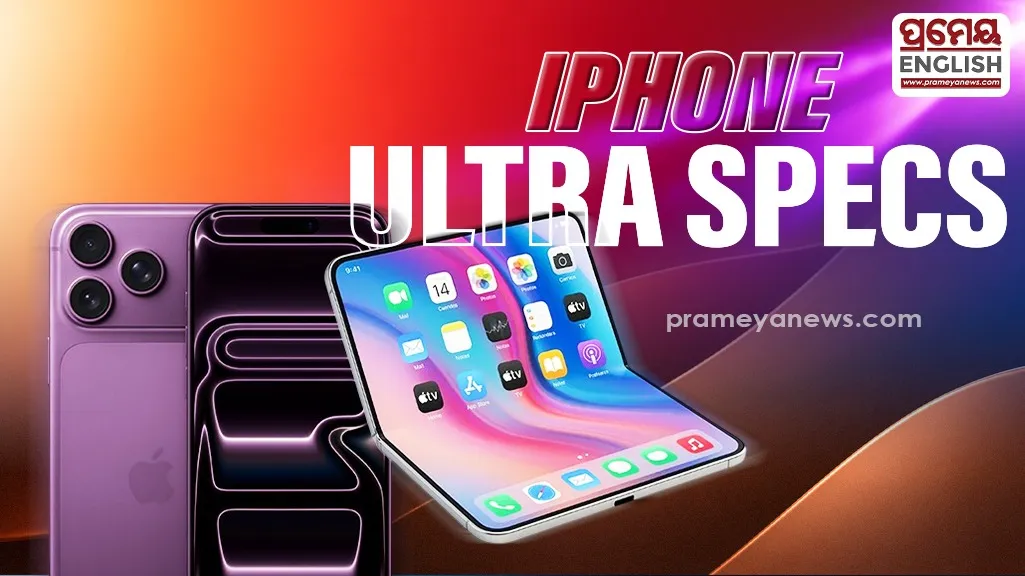
Upcoming foldable iPhone Ultra retains magnetic charging despite ultra-thin profile
Tech giant Apple is preparing to disrupt the foldable smartphone sector with its highly anticipated iPhone Ultra, which will launch alongside the new iPhone 18 series on September 9. According to tech analyst Mark Gurman from Bloomberg, this innovative device will successfully incorporate native MagSafe charging capabilities despite its remarkably slim form factor. Early dummy models lacked the familiar magnetic ring, leading to widespread speculation that extreme space constraints would force hardware engineers to drop the popular feature altogether.
This upcoming handset is projected to measure a mere 4.5mm in thickness when fully unfolded. Maintaining magnetic wireless charging at this precise scale represents a significant technical achievement. Insiders believe engineers leveraged internal layout strategies originally developed for the highly compact iPhone Air to make room for the charging coil. Global tech consumers have eagerly awaited Apple's entry into the foldable smartphone segment to challenge Samsung's ongoing market dominance. Retaining native accessory compatibility ensures that buyers can continue using their existing wireless chargers, car mounts, and magnetic wallets without experiencing any daily usability friction.

Specifications and Pricing
Buyers can expect a book-style folding mechanism featuring a practical 5.5-inch outer cover screen and a generous 7.8-inch internal display. Other reported specifications point toward a dual rear-camera configuration and a notable shift back to Touch ID rather than relying on Face ID biometric security. These advanced hardware components will definitely command a premium price tag, with industry estimates suggesting a starting cost of around $2,000, translating to roughly Rs. 1.9 lakh in India. Screen repairability remains a potential concern for buyers, as fixing the complex internal folding display assembly will likely incur much higher service costs than repairing conventional models. As competitors like Xiaomi introduce their own folding alternatives, this ultra-thin handset positions the Cupertino company to aggressively capture high-end market share.
.webp)