
.webp)


Government receives seven major bids for domestic fuel production
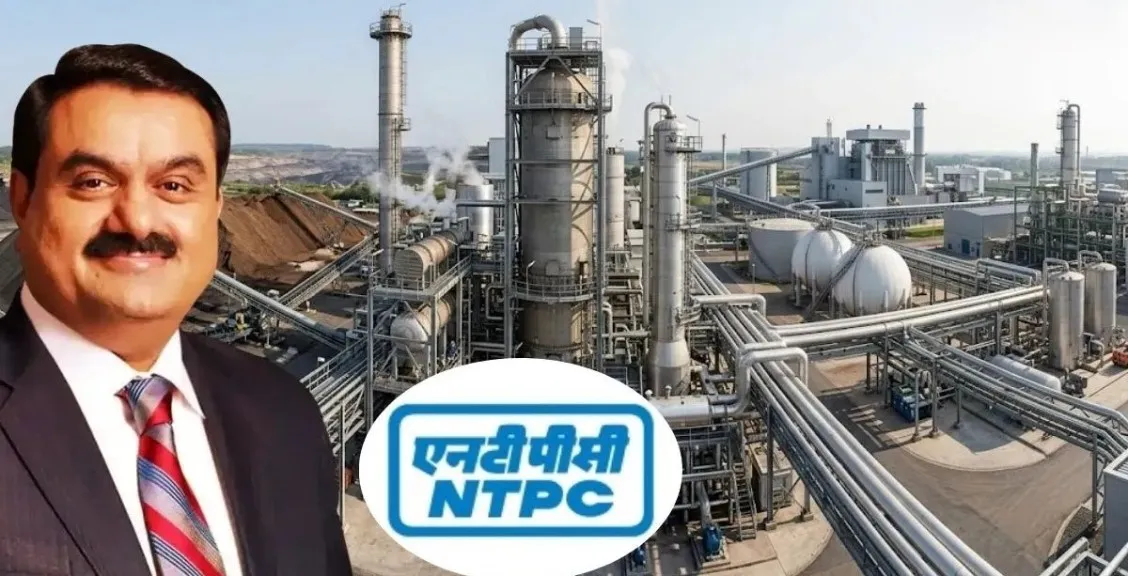
Major industrial players have submitted seven proposals for India's ₹37,500-crore surface coal and lignite gasification programme during its initial bidding round. Adani Enterprises filed three distinct applications focused entirely on urea production, while state-run NTPC proposed a synthetic natural gas facility. Other key applicants include Talcher Fertilisers, Gallantt Ispat, and Shyam Sel & Power. These firms are seeking financial support to establish specialized plants for direct reduced iron, syngas, and urea.
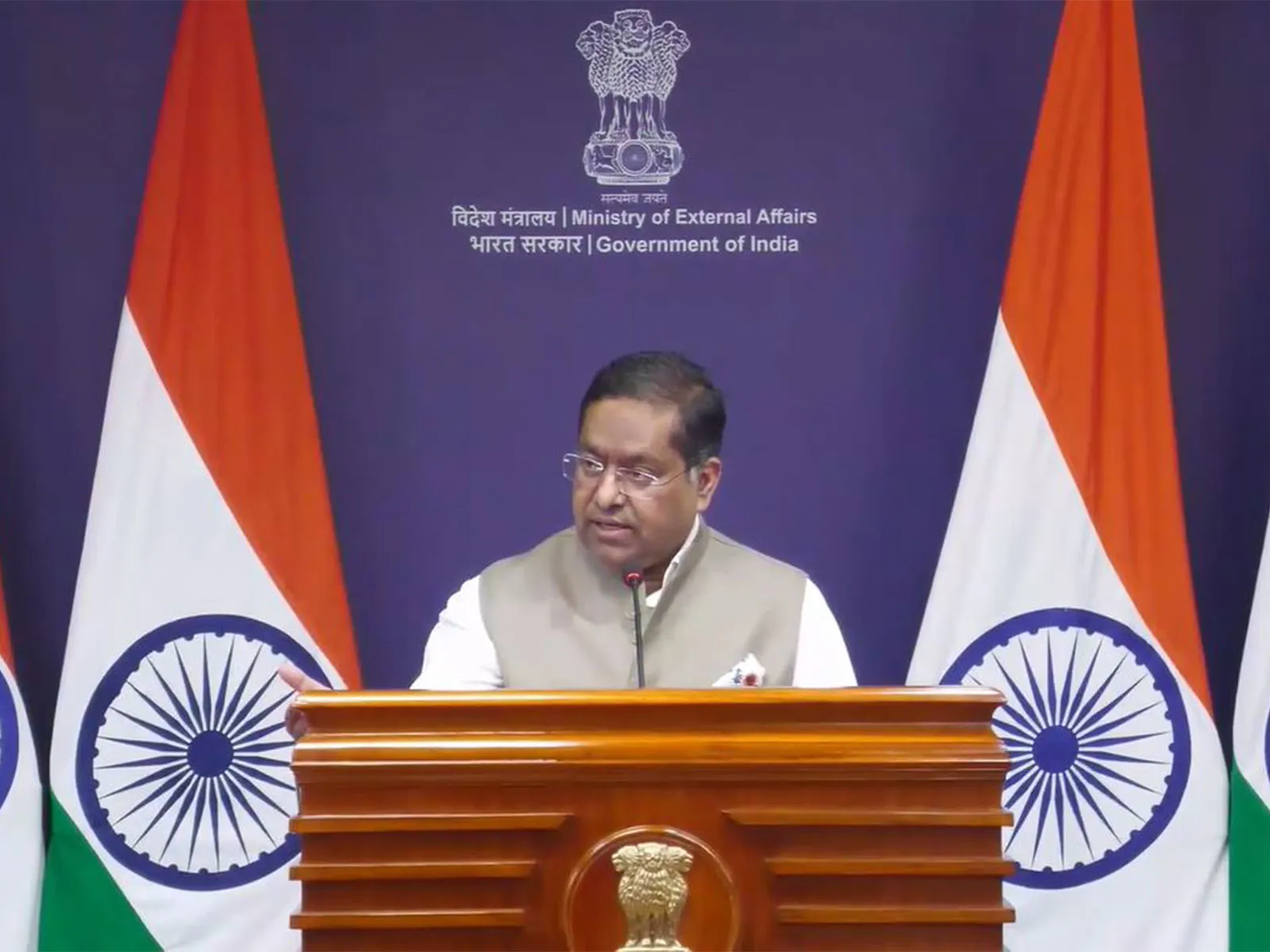
Government officials confirmed the first application window closed on September 7, bringing strong participation from both private sectors and public undertakings. Union Cabinet policymakers originally approved this financial framework in May 2026 to promote the conversion of domestic raw materials into high-value industrial feedstocks. This initiative targets a drastic reduction in the country's reliance on imported liquefied natural gas, ammonia, and methanol, which cost India roughly ₹2.77 lakh crore during the 2025 financial year. By transforming domestic high-ash thermal coal into pipeline-standard methane and fertilizers, officials aim to shield the national grid from global maritime supply chain disruptions. These early submissions reflect confidence in the national mission to achieve 100 million tonnes of total gasification capacity by 2030.
Future Investment Cycles
Round two of the rolling application process opened immediately on September 8, allowing new proposals at regular two-month intervals. Policymakers expect this entire incentive structure to eventually spark an estimated ₹2.5 to ₹3 lakh crore in direct capital expenditure across the heavy engineering, metallurgy, and chemical networks. All submitted projects will now face rigorous technical and financial evaluations based on the request for proposal guidelines. Companies requiring more time for complex pre-feasibility studies, environmental assessments, and technology evaluations can safely participate in the upcoming bidding cycles.
.webp)