

.webp)
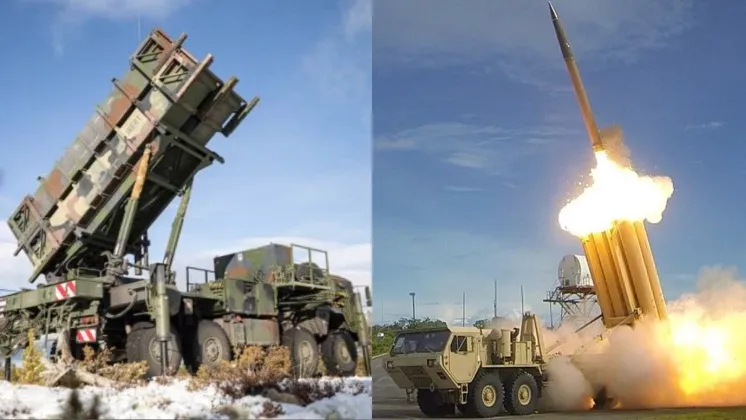
US forces exhaust key missile interceptors during Iran conflict
Ongoing military engagements in Iran have left United States defence stockpiles dangerously low, particularly regarding critical interceptor systems. Military officials confirm American forces have burned through nearly 80 percent of THAAD anti-ballistic missiles and roughly 50 percent of Patriot interceptors since the current fighting began. This severe drain on long-range, surface-to-air weapons creates significant challenges for ongoing overseas operations. Washington relies heavily on these advanced defensive shields to maintain deterrence and protect key allied assets across the volatile Middle East.
Before this conflict erupted, estimates from the Centre for Strategic and International Studies showed American forces holding about 2,200 modernised Patriot missiles alongside 452 THAAD interceptors. Early stages of combat in April already saw troops consume almost 30 percent of their Tomahawk reserves. Today, reports suggest virtually all of the military’s highly accurate surface-to-air weapons are depleted, raising loud alarms over long-term readiness.
Fears over declining munition levels recently prompted President Donald Trump to cancel a major weekend assault targeting Iranian energy infrastructure. During high-level diplomatic calls, leaders from allied Gulf states, including Saudi Arabia, expressed serious worries. These regional partners host numerous American military bases and depend heavily on US air defence networks for protection. They warned that a rapid shortage of interceptors might leave their territories defenseless against retaliatory Iranian drone or missile barrages following any American escalation.
Despite these intelligence reports, administration officials completely rejected claims of empty armouries. White House spokesperson Anna Kelly confidently stated forces still possess enough ammunition to fulfill all strategic objectives under Operation Epic Fury. She emphasized that President Trump continues directing domestic defence contractors to manufacture more weapons rapidly, aiming to project uninterrupted military superiority worldwide.
.webp)