


.webp)
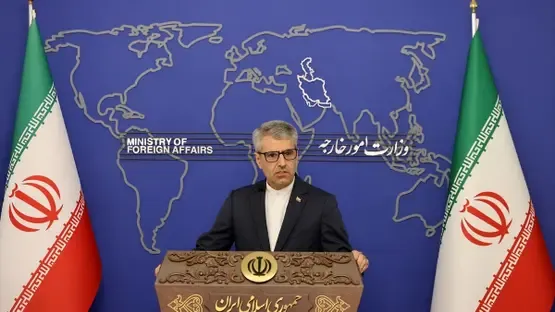
Tehran demands permanent peace while rejecting Pakistan's temporary ceasefire
Iranian state media IRNA confirmed today that Tehran has officially rejected a 45-day ceasefire proposal brokered by Pakistan, insisting instead on a definitive and permanent conclusion to the conflict with the United States and Israel. This diplomatic rebuff comes as a critical deadline set by President Donald Trump approaches, with Washington demanding the immediate reopening of the Strait of Hormuz. Iranian officials communicated a ten-point response to Islamabad, making it clear they will not restore maritime traffic in exchange for a short-term pause in strikes.
Islamabad Accord Faces Deadlock
Negotiators had hoped the "Islamabad Accord" would provide a two-tier solution to the five-week-old war. The plan suggested an immediate cessation of violence followed by a twenty-day window to finalize a broader regional settlement. However, Tehran views these terms as insufficient. Senior Iranian figures stated they refuse to make decisions under the pressure of external deadlines. They are seeking ironclad guarantees that would prevent future military actions against their leadership and infrastructure.
Strategic Waterway Remains Blocked
Global energy markets remain on edge as the closure of the Strait of Hormuz continues. This 21-mile-wide passage is the world's most important oil transit point, and its blockading has historically served as Iran’s most potent economic weapon against Western interests. Tehran maintains that the waterway will stay closed until sanctions are lifted and a permanent peace treaty is signed.
Escalating Military Pressure
Conflict remains intense on the ground despite these back-channel talks. Recent Israeli airstrikes on "regime targets" in the capital reportedly resulted in 25 fatalities. Meanwhile, the White House has warned of severe consequences if the Tuesday deadline passes without a deal. Iran’s military command has countered with threats of devastating retaliation against civilian infrastructure in neighboring Gulf states if the current bombing campaign intensifies
.webp)