


Surprise Exit at Holding Firm
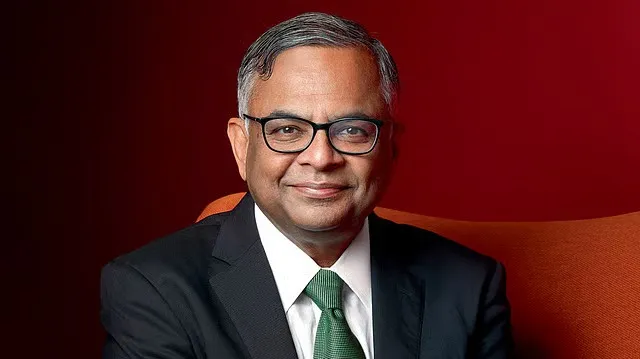
Corporate titan N Chandrasekaran has decided to step down from his position as chairman of Tata Sons. Reports indicate he will finish out his current term ending in February 2027 but will not seek reappointment. This decision comes right before the company holds its crucial annual general meeting on August 18.
During his leadership since 2017, the $400-billion conglomerate expanded into digital services, aviation, and renewable power, growing revenues and profits significantly. He previously served as the chief executive of Tata Consultancy Services starting in 2009. His tenure represents one of the few times a non-family professional executive directed the top holding company in its long history.
Tensions and Strategy Differences
Insiders suggest growing friction between holding company executives and Tata Trusts leadership led to this movement. Differences surfaced over capital allocations for newer business lines, board seats, and long-term listing plans. Tata Trusts controls a majority 66% stake in the holding firm, giving its representatives strong voting power during annual shareholder decisions.
Next Steps for Conglomerate
Board members will now begin looking for a new leader to guide key group companies including Air India, TCS, and Tata Motors. Markets are closely tracking how smooth this executive transition will be over coming months. Smooth management handover remains vital for maintaining stability across global operations and ongoing capital projects.