
.webp)


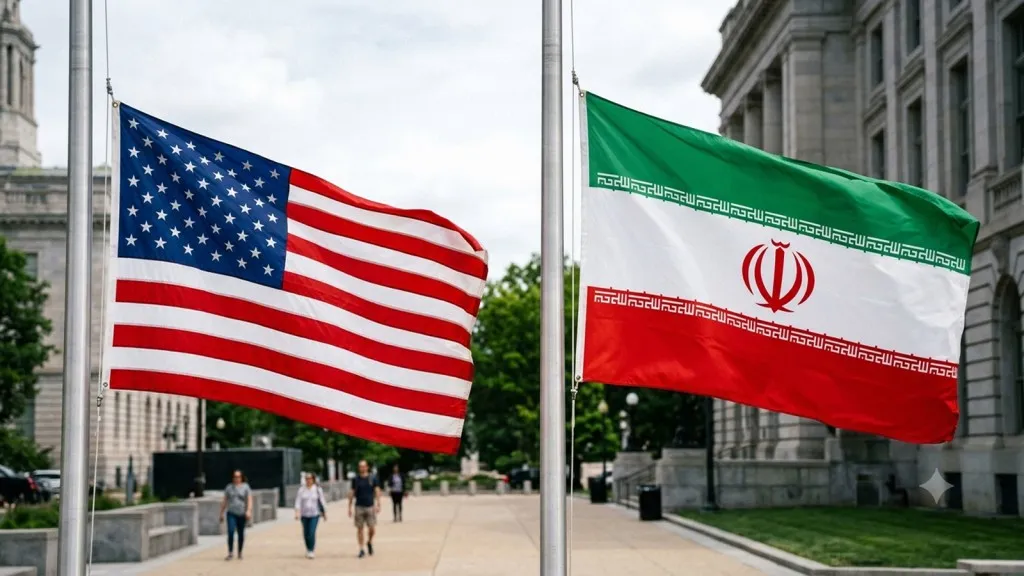
Draft framework proposes uranium transfer and maritime blockade resolution
Draft outlines for preliminary negotiations between Washington and Tehran indicate potential breakthroughs regarding nuclear stockpiles and global shipping routes. Negotiators propose moving highly enriched uranium from Iranian facilities to a designated third country or downgrading its current enrichment level. In exchange, global maritime traffic across the Strait of Hormuz would resume within a week of establishing an initial consensus. This potential de-escalation takes place while the region experiences severe geopolitical strain directly impacting global energy supply chains and commercial trade.
Proposed Concessions And Verification Mechanisms Washington would reciprocate Iranian nuclear and maritime security measures by lifting economic sanctions and ending port blockades. Both nations would rely on a strict, independent verification system to ensure full compliance before advancing to subsequent implementation phases. This structure ensures neither party makes substantial concessions without verifiable commitments. Mediators and guarantor parties, potentially including China, would manage a specialized dispute-resolution process to handle any delays or violations. Planners have suggested hosting these direct talks in Doha rather than Istanbul to maintain neutrality.
Qatari envoys deliver key diplomatic messages
Qatari officials arrived in Tehran on Friday morning to facilitate vital ceasefire discussions. This delegation, led by a senior advisor to Qatar's prime minister, operates in direct alignment with American authorities. They delivered a specific letter from US Vice President JD Vance to Iranian security official Mohsen Rezaei. Iranian leadership reportedly welcomed the communication, which offers alternative diplomatic avenues to avoid additional American military strikes. Concurrently, Turkish Foreign Minister Hakan Fidan met US Secretary of State Marco Rubio during a G20 gathering to discuss regional developments, following a recent phone call between Turkish President Recep Tayyip Erdogan and Donald Trump regarding maritime passages.
Donald Trump recently stated that Washington feels no pressure to rush these negotiations, noting that time remains on their side despite seven months of unconventional conflict. He claimed Iranian leaders face significant domestic challenges, explicitly citing their difficulties in paying police and military personnel. Brushing off financial concerns, Trump asserted that US military expenditures remain minimal, claiming Washington has recovered funds tenfold through operations in Venezuela. Despite acknowledging Iran's desire for a final agreement, he maintained that further military action, which he termed another little Epic Fury, remains a realistic option if core disputes over nuclear limitations and port blockades persist.
.webp)