

.webp)


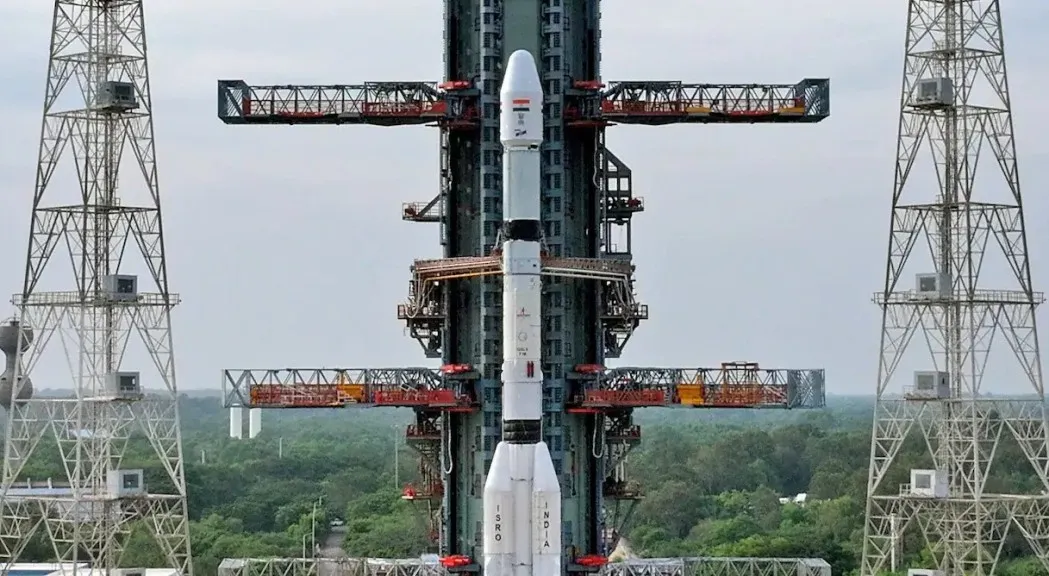
ISRO upgrades domestic navigation capabilities with successful NVS-03 launch
India advanced its homegrown positioning network on Friday night as the Indian Space Research Organisation deployed the next-generation NVS-03 navigation satellite into a geosynchronous transfer orbit. Launching from the Satish Dhawan Space Centre in Sriharikota, the GSLV-F18 rocket released the 2,250-kg spacecraft just over 20 minutes after liftoff. This mission directly upgrades the Navigation with Indian Constellation network, providing continuous positioning, timing, and disaster management services across the mainland and 1,500 kilometers beyond its borders. Space agency chief Dr V Narayanan monitored the launch sequence and confirmed the successful orbital placement, praising the engineering teams. This success restores momentum for the second-generation satellite series following a technical failure in early 2025, where the previous NVS-02 unit became stranded in a transfer orbit due to a valve malfunction that blocked oxidizer flow to its engine.
Also read: Cyclone Arnab triggers massive landslide in Kandhamal; 40 residents cut off
Strategic upgrades for consumer devices
Engineers designed the NVS-03 unit to transmit an L1 frequency signal alongside the existing L5 and S-band signals. Introducing this specific band improves direct compatibility with everyday consumer electronics, wearable tech, and modern smartphones, expanding the commercial reach of the service. Furthermore, the spacecraft carries a homegrown atomic clock working in tandem with imported timing devices. Building these clocks internally marks a firm step towards total self-reliance in critical space technologies.

NVS-03 navigation satellite
Securing independent positioning networks
Global reliance on independent navigation systems has grown rapidly as nations seek secure, encrypted timing solutions for their armed forces and critical infrastructure. Now floating in a temporary transfer orbit, the NVS-03 navigation satellite must complete a series of complex orbit-raising maneuvers using its onboard propulsion systems to reach its final operational slot. Once positioned, it will lay the foundation for two planned future satellites, ensuring long-term continuity for domestic positioning services.
Image Courtesy: 'X' @isro
.webp)