

US lawmakers approve steep tariffs targeting Russian energy buyers
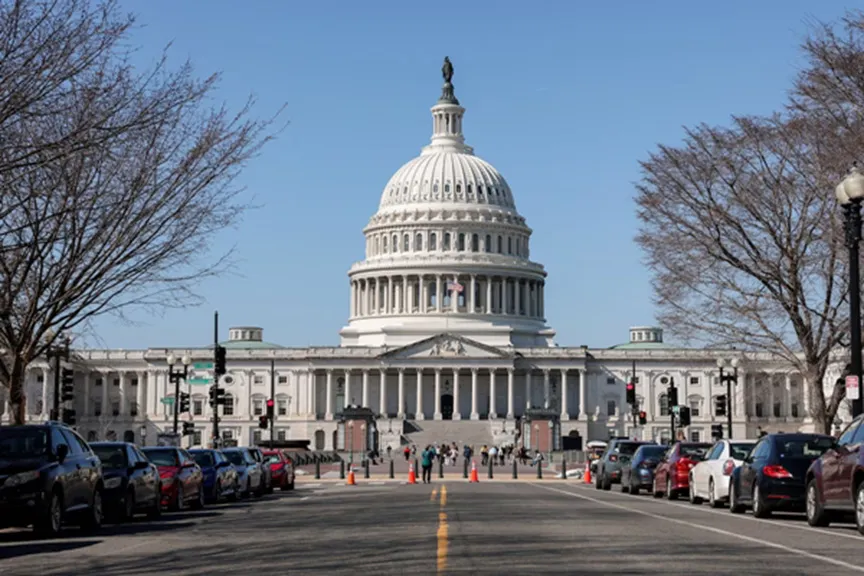
Lawmakers in the United States House of Representatives have successfully voted to grant President Donald Trump expansive authority to levy up to 100% tariffs on nations purchasing Russian oil and gas. Passing with a 262-159 margin, this sweeping legislation specifically places major energy buyers like India and China in the crosshairs. This legislative move aims to severely penalize Moscow for its full-scale invasion of Ukraine, which began in February 2022 and ignited Europe's deadliest conflict since World War II.
Officially titled the Lindsey O. Graham Sanctioning Russia and Iran Act of 2026, the measure easily cleared the Senate last month by an 86-11 vote. Now heading to the White House for Trump’s signature, the bill targets both the Russian defence sector and a hidden network of tankers helping Moscow bypass current financial restrictions. As a significant geopolitical shift, India has increasingly relied on discounted Russian crude over the past four years to satisfy domestic energy demands, complicating its strategic partnership with Washington.
Democrats challenge expanded tariff powers
Republican Representative Michael McCaul drove the bill through the House, arguing that threatening severe tariffs will force foreign governments to reconsider buying Russian fuel, ultimately pushing Vladimir Putin toward peace negotiations. However, several lawmakers strongly opposed handing such vast authority to the executive branch. Democratic Representative Gregory Meeks cautioned against giving Trump more unchecked tools to enforce trade barriers, pointing out his heavy reliance on punitive trade policies. Meeks introduced an amendment to strip out the secondary penalties against foreign trading partners, but his effort failed on the House floor.
While the newly passed legislation does not trigger an immediate 100% duty on Indian exports, it equips the US president with the legal framework to enforce one at his discretion. Introduced originally in April 2025 by the late Senator Lindsey Graham, this measure injects fresh turbulence into bilateral trade relations. Policy experts emphasize that the core issue is no longer whether this mechanism exists, but exactly how and when Trump might activate these secondary trade barriers against Indian goods.