


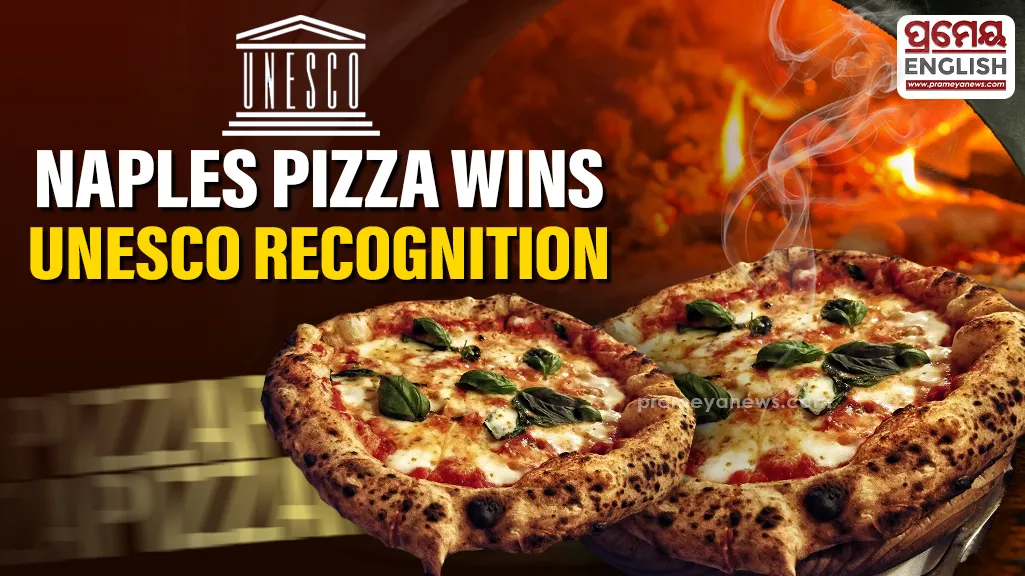
Authentic Neapolitan pizza earns prestigious global cultural protection.
Naples holds a culinary crown as the Art of the Neapolitan Pizzaiuolo remains a protected masterpiece on UNESCO’s Representative List of the Intangible Cultural Heritage of Humanity. This recognition does not merely celebrate a recipe; it safeguards a multi-generational social ritual and the specific manual skills required to create an authentic pie.
Artistry behind the Dough
Traditional pizza-making in Italy involves four specific phases: dough preparation, shaping, topping, and baking. True practitioners, known as Pizzaiuoli, reject modern mechanical shortcuts. They stretch the dough by hand using a unique "slapping" motion to maintain air within the crust, ensuring the final product remains soft and elastic. Unlike the crispy thin-crust variants found in commercial chains, a genuine Neapolitan pizza is often served "a portafoglio" - folded like a wallet - owing to its tender texture.
Strict Ingredients for Global Status
UNESCO's designation focuses on the Marinara and Margherita varieties. These classics rely on high-quality, minimal ingredients: San Marzano tomatoes, extra virgin olive oil, and fresh basil. The baking process occurs exclusively in wood-fired ovens at temperatures exceeding 400°C, completing the cook in under 90 seconds.
Passing the Torch
Knowledge flows from master to apprentice in "bottegas," or workshops, where young makers learn the physical dance of managing the oven and the dough. This social glue binds the Neapolitan community, turning a simple meal into a symbol of identity.