
.webp)


By Ambika Dash
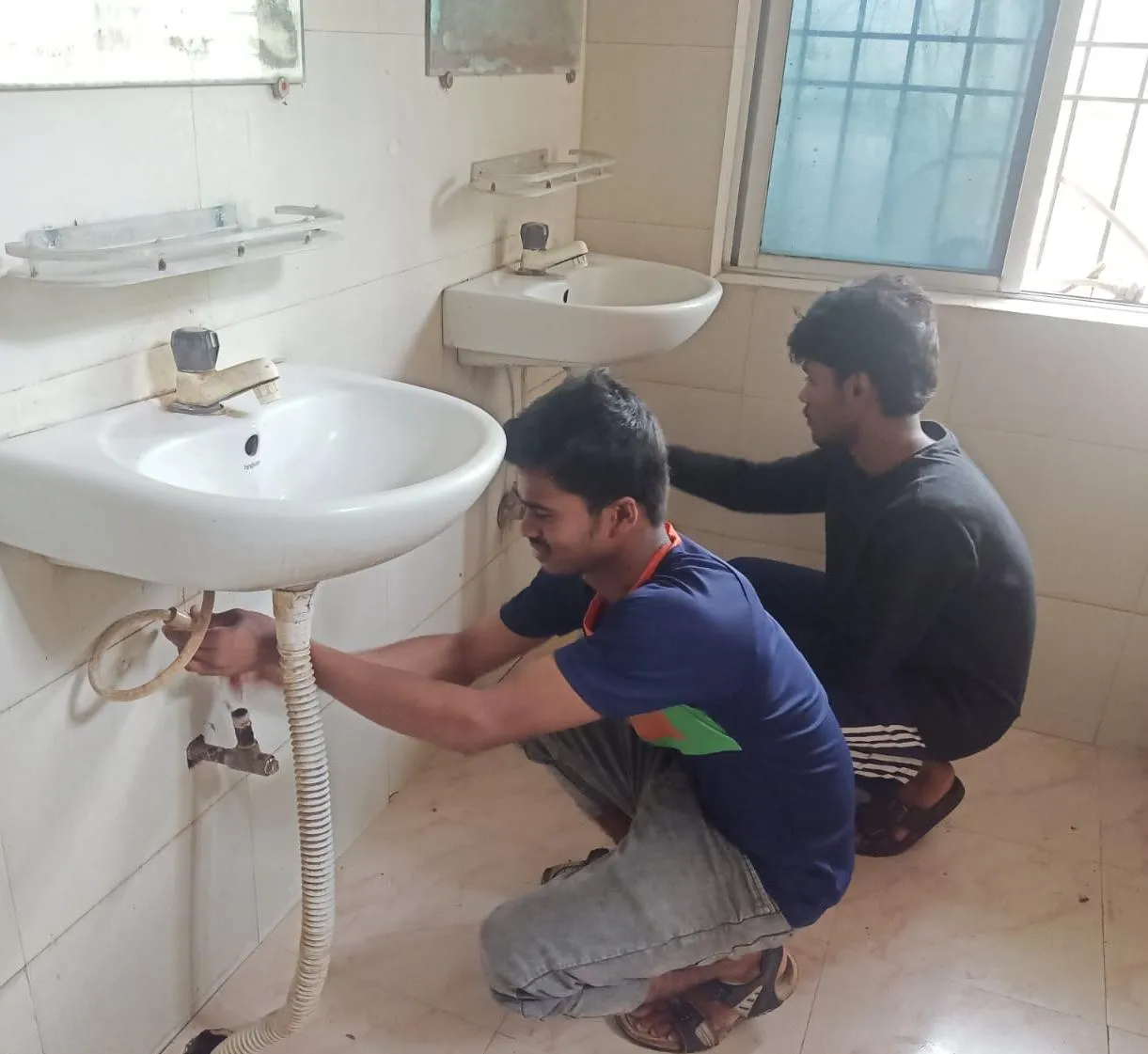
Chhatrapur: Students from five Government Industrial Training Institutes (ITIs) and Government Engineering School in Ganjam district joined the post-cyclone restoration drive, helping repair damaged electrical equipment and restore electricity and drinking water supply in affected areas.
Stepping in to support the restoration efforts, students from Government ITIs at Berhampur, Sheragada, Purushottampur, Hinjilicut and Chhatrapur, along with students of Uma Charan Pattnaik Engineering School in Berhampur, stepped up to join the repair work in coordination with the district administration.
The student teams have already repaired damaged electrical equipment at Aska Sub-Divisional Hospital, helping restore essential services at the healthcare facility. They are now working in other affected areas to repair non-functional pumps and electrical equipment, with the aim of bringing disrupted services back to normal at the earliest.
Also Read: 150 schools silenced by Arnab fury in flood-hit Ganjam
The initiative is intended to ensure that restoration activities are carried out in a coordinated manner while allowing the students to apply their technical knowledge to real-life challenges.
The participation of the students has added technical support to the district's ongoing post-cyclone rehabilitation efforts. Their work is particularly significant as the restoration of water-lifting pumps and electrical equipment is essential for resuming drinking water supply and other basic services in the affected communities.
By stepping beyond the classroom and taking part in emergency restoration work, the students have demonstrated how technical education can contribute directly to public service during disasters. Their involvement has also provided them with practical exposure to repairing damaged infrastructure under challenging post-disaster conditions.
.webp)