



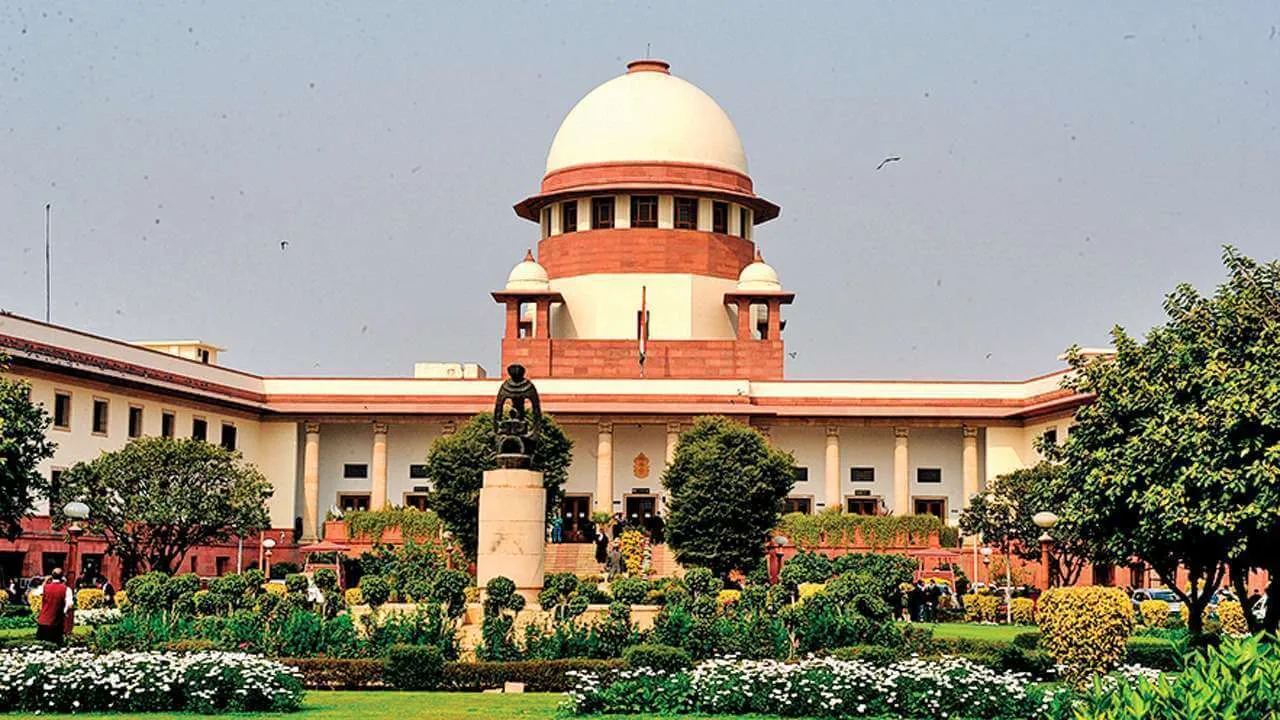
Supreme Court prioritises fundamental liberty over prolonged detention
Bail remains the foundational rule while incarceration is the exception, even under stringent anti-terror laws. Justice B V Nagarathna and Justice Ujjal Bhuyan asserted this constitutional principle while granting relief to a man held in custody since 2020. The decision marks a significant shift, with the division bench openly expressing disagreement with recent top court rulings that blocked relief for high-profile accused individuals.
Central to this ruling is the validation of a landmark 2021 judgment. The bench declared that the legal principles established in the Union of India vs K A Najeeb case remain binding law under the doctrine of stare decisis. Lower courts and smaller apex court benches cannot bypass or dilute this precedent. The Najeeb ruling established that extended delays in trials violate the right to a speedy trial, validating bail even under strict laws.
Judges directly questioned the legal path taken in recent rulings, including the January decision that blocked relief for activists. The bench noted that subsequent orders had deviated from established constitutional jurisprudence. Special laws may regulate legal procedures, but they cannot flip the foundational relationship between personal freedom and state detention.
Historical context shows that special security laws in India have frequently triggered intense legal debates regarding individual rights versus national safety. Legal experts often cite these shifting judicial views as a barometer for how state security demands balance against individual freedoms.
Securing freedom through this order is Syed Ifthikar Andrabi, an accused in a cross-border narco-terror investigation. Lower courts and the regional High Court had previously turned down his requests for release. The federal investigation agency alleged that the accused funneled funds to foreign militant groups. However, the apex court ordered the trial court to set release conditions, concluding that prolonged detention without a trial erodes constitutional protections.