
.webp)



Ranchi teenager digitises 6.8 lakh UP voter PDFs, drawing praise
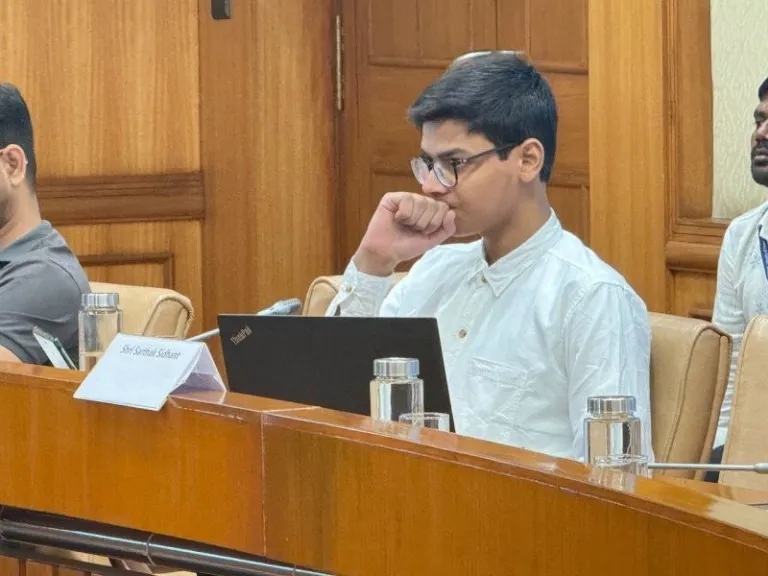
Ranchi-based ethical hacker Sarthak Sidhant has converted 6.8 lakh scanned voter roll PDFs from Uttar Pradesh into a searchable public database. Announced on Tuesday, November 24, through a post on X, this student-led project organizes 54.8 crore electoral entries across all 403 Assembly constituencies of the state. Civic groups, journalists, and opposition leaders quickly praised the 18-year-old for delivering user-friendly access that many feel the Election Commission of India (ECI) should have built during its Special Intensive Revision (SIR) drive. Uploading official files online rarely guarantees smooth public access when documents remain locked inside flat image scans. Voters and researchers often struggle to check single entries or compare list updates across election cycles without downloading separate booth files. Open data advocates across India have long noted that machine-readable public records form a vital pillar for transparent digital governance and citizen trust.
How four electoral cycles became machine-readable
Sidhant and his collaborators applied Optical Character Recognition (OCR) software to read printed text and numbers inside static images, turning raw scans into structured tables. Their consolidated archive merges four separate sets of Uttar Pradesh rolls, covering the 2024 Lok Sabha list, the SIR draft and final versions, and the 2027 draft roll. "We OCR'd every voter roll PDF that the ECI put out of Uttar Pradesh," Sidhant wrote on X. Privacy safeguards remain built into the downloadable files. Personal identifiers like individual names, relatives' names, EPIC numbers, and house numbers appear as keyed-hash tokens, letting users verify entries against official ECI documents without exposing private details. Opposition parties, led by Lok Sabha Leader of the Opposition Rahul Gandhi, have repeatedly called for machine-readable voter lists. While Uttar Pradesh's Chief Electoral Officer launched searchable PDFs for the 2027 draft roll on November 17, Sidhant's database unifies four revision stages into one tool.
Before tackling voter rolls, Sidhant drew national attention in May after noticing discrepancies in his CBSE Class 12 marks and examining the board's On-Screen Marking (OSM) software. After reviewing altered tender eligibility conditions, he presented a seven-page report on June 2 before the Parliamentary Standing Committee on Education, chaired by Congress MP Digvijaya Singh. On June 26, he released roughly 1.66 crore records from the Central Public Procurement Portal, later earning a spot on the TIME100 Next India 2026 list on November 20.
.webp)