
.webp)


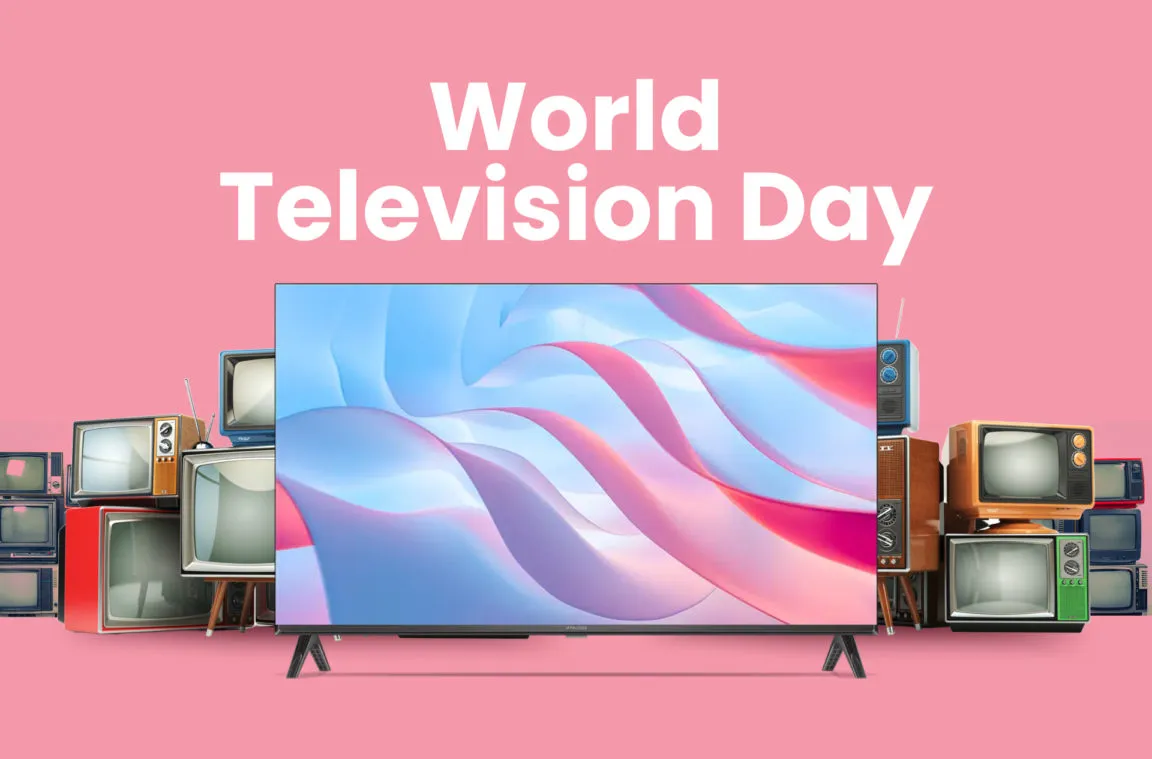
Bhubaneswar, Nov 21: Television has been one of the most influential inventions in the history of mass communication. From its early days of black-and-white broadcasts to today's high-definition digital screens, television has transformed the way people receive information, experience entertainment and understand the world.
The United Nations General Assembly proclaimed 21 November as World Television Day in 1996, commemorating the first World Television Forum held on 21–22 November 1996. The day recognises television's growing influence in shaping public opinion, promoting awareness and bringing important global issues into people's homes.
For Gen Z, who have grown up surrounded by smartphones, social media, YouTube and OTT platforms, television might seem like a traditional medium. However, its significance has not disappeared. Television continues to play an important role in delivering news, educating audiences, highlighting social issues and connecting people with events happening across the globe.
While Gen Z increasingly consumes information through short videos and digital platforms, television offers a different experience—one that can provide in-depth reporting, diverse perspectives and context behind major events. It also serves as a bridge between generations, bringing families and communities together through shared stories, cultural programmes, sports and news.
In today's fast-moving digital world, where misinformation and viral content often influence public perception, the importance of responsible and credible broadcasting remains significant. For the younger generation, World Television Day is an opportunity to rediscover television not merely as a source of entertainment but as a medium of knowledge, awareness and meaningful storytelling.
Television may be evolving with technology, but its power to inform, influence and connect generations remains relevant.
History and significance
"Since its evolution from black-and-white broadcasts to today's digital and high-definition screens, television has transformed the way we communicate and consume information. The United Nations declared 21 November as World Television Day in 1996, recognising its influence on public opinion and global communication. Even today, television remains a powerful medium of storytelling and social change."
“Though born in the age of smartphones and social media, television continues to hold a special place in my heart. My day begins with bhajans and spiritual programmes playing on TV at home. My father, too, prefers watching his favourite sports channels on television rather than on a mobile phone. While smartphones provide instant access to information, I still turn to television for detailed news coverage and in-depth discussions, says Ananya Subudhi, a student from Bhubaneswar.
Television remains an essential appliance in our household. Despite being well acquainted with smartphones and social media, I enjoy watching television series and news during my leisure time. Mobile phones and social media have become important parts of our lives, but they can never completely replace the experience of watching television, says Chinmayee, a Plus Two student from Puri.
.webp)