Indian maritime trade continues through Iran despite global pressure.
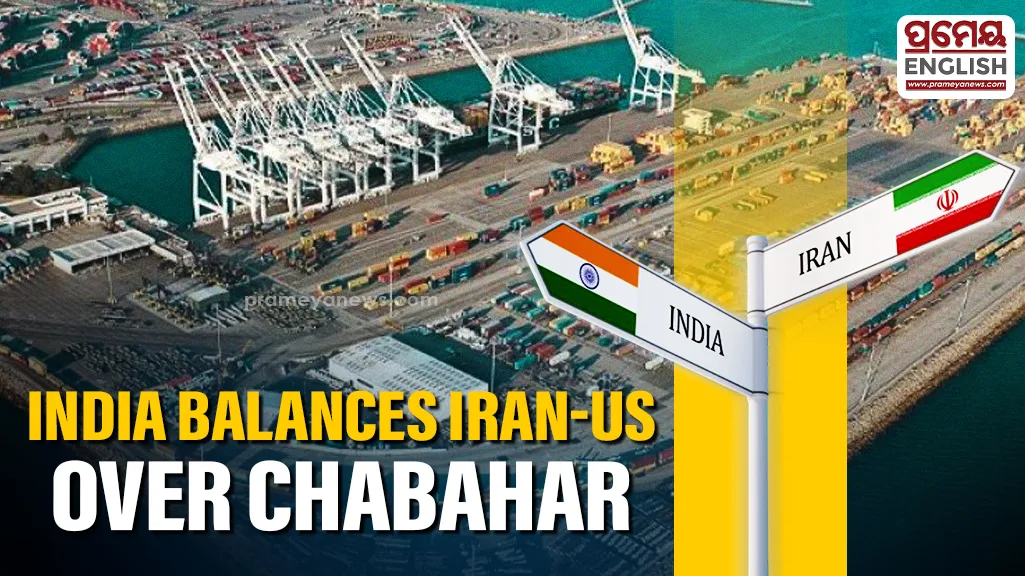
Indian trade operations at the Chabahar port remain steady even as a critical United States sanctions waiver expired on April 26, 2026. Official reports indicate that while the legal landscape is shifting, movement at the Shahid Beheshti Terminal has not ceased. Tehran has confirmed that the port continues to progress, and significantly, no restrictions have been placed on Indian vessels navigating the sensitive Strait of Hormuz.
Diplomatic Maneuvering and Strategic Autonomy
New Delhi is currently engaged in high-level discussions with both Iranian and American authorities to navigate this transition. The Ministry of External Affairs recently noted that regional conflicts have added layers of complexity to these negotiations. To mitigate risks of secondary sanctions, India has reportedly considered a tactical move to transfer operational stakes to local Iranian entities temporarily. This strategy aims to protect long-term maritime interests while satisfying immediate international legal requirements. The port serves as a vital link for the International North-South Transport Corridor (INSTC). For India, this facility provides a bypass to traditional land routes, offering direct access to landlocked Central Asian markets and Afghanistan.
Despite the "Operation Economic Fury" campaign by the US Treasury, cargo handling at the port remains functional. India has already fulfilled its $120 million investment commitment, reinforcing its role as a key partner in the region's infrastructure. While fresh budget allocations were paused during the latest fiscal cycle due to mounting external pressure, the existing framework ensures that the connection to the Afghan border stays intact. Maintaining this link is essential for regional stability and ensuring that humanitarian aid and commercial goods reach their destinations without interference.


.webp)


.webp)