



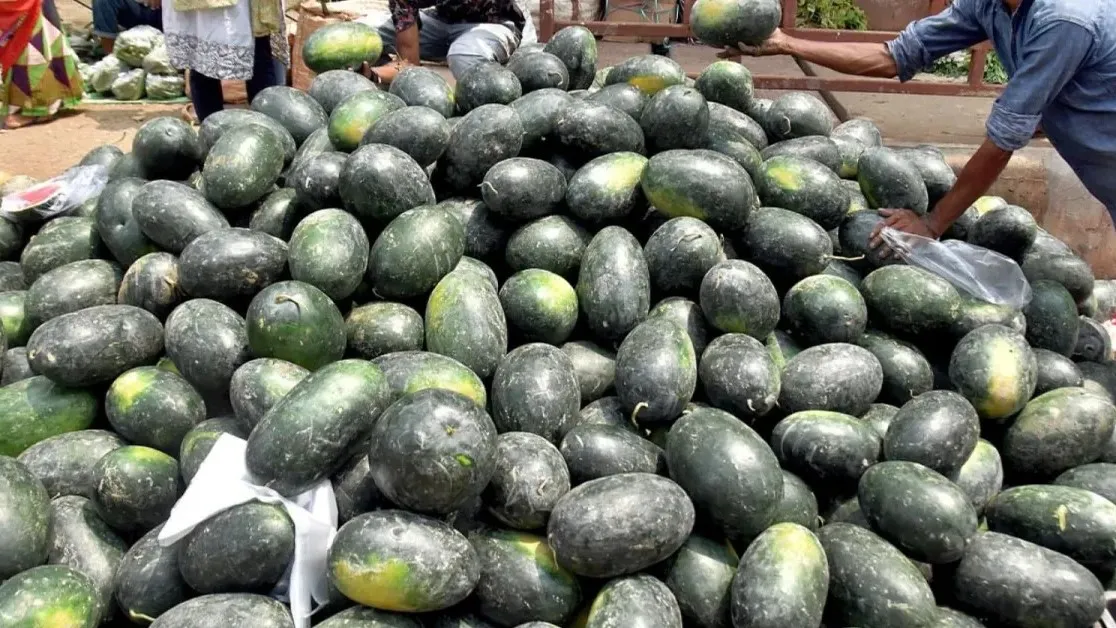
Essential safety guide for consuming watermelons during summer months.
Watermelon consumption requires extreme caution during peak summer as improper handling can transform this hydrating fruit into a source of life-threatening food poisoning. While the fruit itself is naturally nutritious, its high water content and neutral acidity provide a perfect breeding ground for dangerous microbes. Recent tragic events in Mumbai, where a family succumbed to suspected foodborne toxins, have placed a sharp focus on how quickly fresh produce can become hazardous in high temperatures.
Pathways of Contamination
Bacteria often reside on the rough outer rind of the fruit after contact with soil or irrigation water. When a knife slices through an unwashed surface, it drags these pathogens directly into the sweet flesh. In the sweltering heat common in regions like Odisha, these microorganisms multiply at an exponential rate. Cross-contamination also occurs when the same cutting board or utensils are used for raw meats and then for fruits without thorough sanitization.
Critical Safety Measures
Strict hygiene protocols must be followed to eliminate risks. Buying pre-cut fruit from roadside vendors should be avoided, as these slices are often exposed to dust and lack refrigeration. At home, the entire outer surface of the melon must be scrubbed under running water before any incisions are made. Once sliced, the fruit needs to be stored in a refrigerator below five degrees Celsius immediately.
Discard any pieces that have remained at room temperature for over two hours. Signs of danger include a slimy texture, an alcoholic smell, or a sour taste. Vulnerable groups, including children and the elderly, are at higher risk for severe dehydration and sepsis if they consume contaminated portions. Taking these simple precautions ensures that summer refreshment does not lead to a medical emergency.