
.webp)
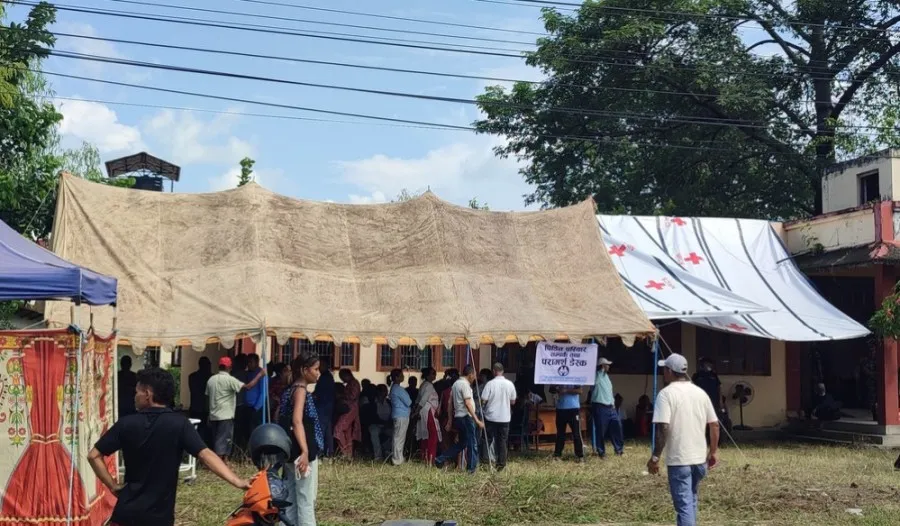
Floodwaters carry victims miles downstream, straining local medical facilities
Dozens of victims swept away by the devastating Bhotekoshi floods are surfacing miles downstream, creating a grim logistical crisis for local officials. Morgues in several districts, including Chitwan and Pokhara, have exceeded their maximum capacity, forcing the urgent construction of makeshift storage centers to house the mounting number of recovered remains. In Chitwan, authorities have converted an unused building into a temporary body management facility capable of holding up to 250 individuals. This action became necessary after local hospitals, which can only accommodate 30 to 50 remains at a time, were quickly overwhelmed. If this new center fills, officials plan to utilize an electric crematorium in Devghat as a last resort. To slow decomposition, the Chitwan facility is being equipped with air conditioning and dry ice supplied by local business chambers.
The Search for Missing Loved Ones
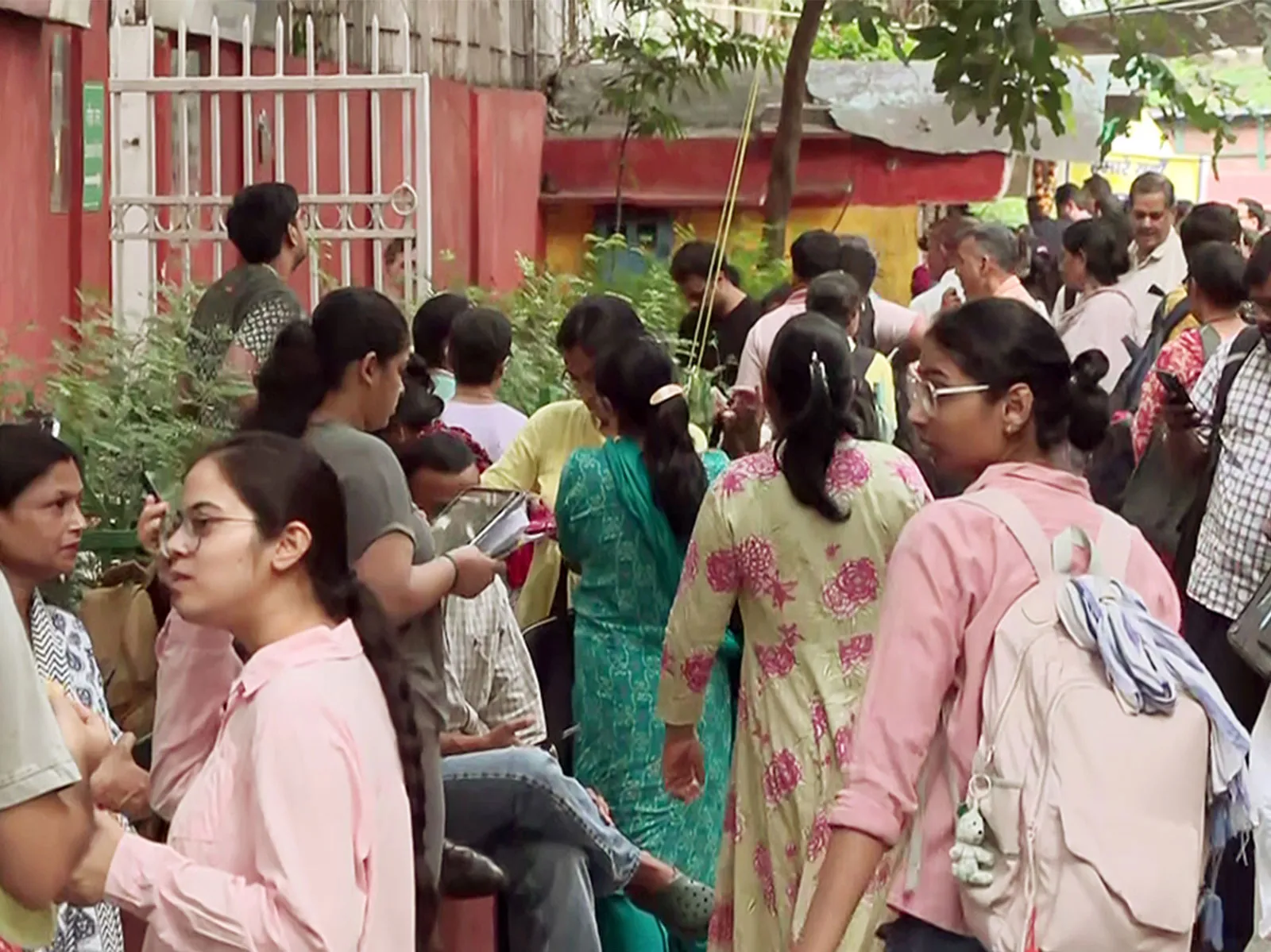
Distraught families are converging on these temporary sites, desperate for news. Yaman Banu traveled from Nuwakot seeking her two grandmothers, who vanished when the waters rose. Similarly, relatives of Maya Baniya Khadka arrived with her photograph, hoping to locate her after she disappeared during a pilgrimage.
In Pokhara, hospitals are also buckling under the pressure. Ninety-three victims have been transported there from surrounding districts that ran out of space. With a combined capacity of 88, Kaski Chief District Officer Kuman Singh Gurung admitted the facilities are already overextended. While they are currently managing the overflow by maintaining temperatures between 2 and 6 degrees Celsius, this method only preserves remains for roughly two weeks. Pokhara lacks the sub-zero infrastructure required for longer-term storage.
Managing the Unidentified
To handle individuals who cannot be immediately named, police are implementing a strict protocol. They photograph the remains, take fingerprints, and collect DNA samples, which are sent to Kathmandu for analysis. If families cannot be located within one to two weeks, officials will assign a unique tag number to each victim and arrange for burial in designated secure locations. Similar challenges are playing out across the region. Nawalparasi East has converted a community forest hall into a makeshift morgue using added air conditioning, while Dhading has sent bodies as far as Kathmandu and Pokhara due to a complete lack of refrigeration. This crisis highlights the severe vulnerabilities in Nepal's rural emergency infrastructure when facing natural disasters of this scale.
Image Courtesy: The Kathmandu Times
.webp)