

.webp)
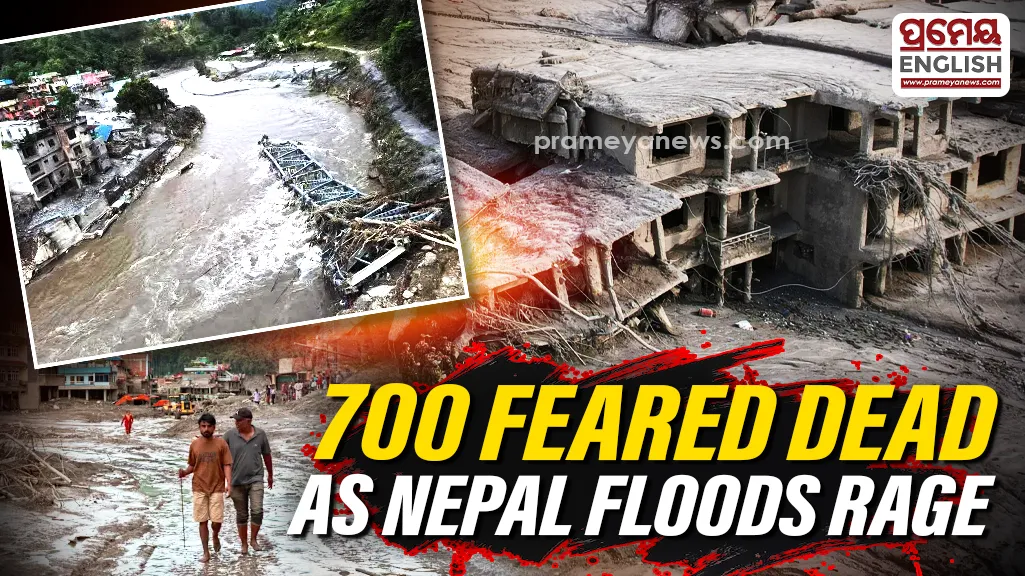
Catastrophic Nepal flash floods claim over 700 lives downstream
Catastrophic flash floods across central Nepal have claimed at least 734 lives, leaving nearly 3,000 individuals unaccounted for as emergency teams navigate their fifth day of search operations. Swollen waters in the Sunkoshi and Bhote Koshi rivers prompted fresh alerts on Sunday morning, forcing rescue squads to halt work periodically. Broken bridges, muddy terrain, and washed-out roads continue to isolate remote settlements. Security personnel from the Nepal Army, Armed Police Force, and civil police have concentrated efforts on power project sites in Rasuwa. Teams are clearing heavy debris from submerged tunnels where laborers remain trapped. More than 3,700 survivors have been safely evacuated so far, including 108 Indian nationals. Among those still missing are over 275 Indian pilgrims who were traveling toward the Kailash Mansarovar route in Tibet when the glacial collapse struck on Wednesday.
Cross-Border Support and Relief
International assistance has started reaching damaged valleys. External Affairs Minister S Jaishankar confirmed that an Indian Air Force C-130 aircraft delivered an 11-tonne relief consignment containing specialized tunnel rescue gear, forensic tools, and emergency shelters. This shipment raises total Indian aid to 68.5 tonnes. An 11-member specialized medical and technical team has also joined on-ground operations in Rasuwa to assess subterranean rescue paths. Severe shortages of clean drinking water, medicines, and electricity now threaten relief camps, raising concerns over waterborne diseases. Historically, the fragile Himalayan river basin faces heightened risks of glacial lake outburst floods during monsoon shifts, making real-time cross-border hydrological tracking vital for mountain communities.
.webp)