

.webp)


Odisha farmer achieves Rs 1 crore revenue growing desi lemons
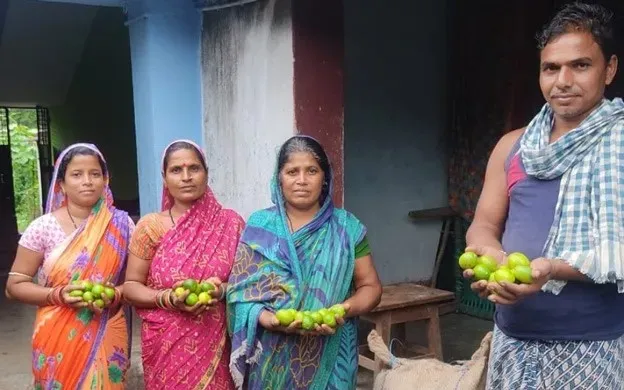
Odisha cultivator Santosh Sahu turned agricultural devastation into a thriving enterprise by shifting to Kagzi lemon farming. Elephants and monkeys regularly destroyed traditional crops in his native Ogi village, leaving local growers with severe financial losses. Seeking a resilient alternative, Sahu planted citrus trees, which wild animals typically avoid. His strategic shift now generates an annual turnover of Rs 1 crore while supporting hundreds of rural families.
Overcoming wildlife threats in agriculture
Frequent raids by wild elephants remain a major challenge for farmers across Odisha, often forcing them into distress sales or abandoning agriculture entirely. By choosing desi lemons, Sahu eliminated the risk of animal damage. He started cultivating the crop on his one-acre plot and quickly noticed high survival rates. Older trees on his property now reach up to 12 feet, yielding high-quality fruit that commands premium market rates.
Empowering rural growers
Realizing the market potential, Sahu expanded his operations beyond his own harvest. He began buying lemons directly from other cultivators in Ogi, paying them between Rs 220 and Rs 280 per 100 pieces based on size and grade. He then supplies these fruits to larger urban buyers at rates of Rs 300 to Rs 320. His trading network ensures fair compensation, with nearly 60 percent of his total business revenue going directly to the community. Today, around 500 households in the settlement grow lemons, relying on it as a steady income source.

Seasonal harvests and export success
Growers in the region typically benefit from two main harvesting phases. The first phase runs from June to August, followed by a second window between November and February. During these winter months, a single fruit can weigh up to 60 grams and fetch Rs 3 to Rs 3.20 in the open market. This seasonal consistency helps an average local cultivator earn Rs 25,000 to Rs 30,000 annually.
High demand for Ogi village lemons now extends well beyond local boundaries. Sahu supplies major cities including Bhubaneswar, Cuttack, and Jamshedpur. His premium produce has even secured international export deals, with recent shipments successfully reaching buyers in the United Kingdom and the United States. Maintaining this yield requires dedicated care, as young lemon plants need up to 11 litres of water daily alongside regular organic compost. Through careful planning and community collaboration, Sahu built a highly profitable agricultural model that protects crops from wildlife while delivering global success.

Image Courtesy: 30 Stades
.webp)