
.webp)
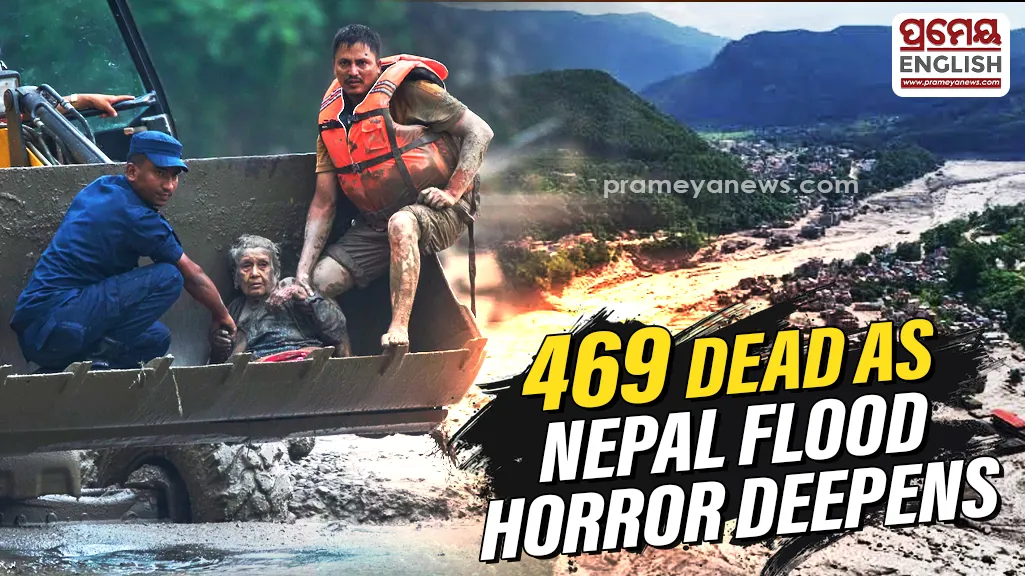
Fatal glacial floods in Nepal claim nearly 500 lives
Devastating flash floods in central Nepal have claimed 469 lives following a severe glacial collapse near the Tibetan border. Rescue teams, including 7,451 security personnel, have successfully evacuated over 1,500 stranded individuals from the debris. Currently, 84 survivors are receiving urgent medical treatment in Kathmandu hospitals. First responders continue their grim search across eight districts. Chitwan has recorded the highest fatalities with 178 bodies recovered, followed closely by 110 in Nawalparasi East.
Triggers behind Disaster
Scientists from the US Geological Survey confirmed that an ice-rock avalanche caused the catastrophe. This sudden glacial collapse registered as a magnitude 5.2 seismic event, sending rocks, mud, and fast-moving water crashing into the Bhote Koshi River. Such high-altitude glacial outbursts occur frequently in the Himalayas, where accelerated climate warming creates volatile natural dams.
Rising Downstream Threats
Communities brace for further danger as a barrier lake forms upstream. Chinese authorities issued emergency alerts, noting that the blocked river accumulated two million cubic meters of water by Thursday. Forecasters predict an additional three million cubic meters will flow into this lake over three days, bringing severe breach risks for downstream populations. Global partners are rushing to support Kathmandu during this crisis. India quickly dispatched 47.5 tonnes of emergency relief materials, including medicines and food packets, using military transport aircraft. The United States also pledged $500,000 in immediate assistance. This rapid international response is critical when extreme mountain terrain complicates helicopter evacuations and ground access.

How a glacial outburst flood occurs
.webp)