
.webp)
Greedy syndicates exploited Everest climbers and made millions
Mount Everest sherpas and trekking agencies intentionally sickened foreign climbers to orchestrate a sophisticated $20 million insurance fraud. Nepal police recently indicted 32 individuals, including helicopter operators and hospital executives, for their roles in an organized crime ring that turned the world's highest peak into a crime scene.
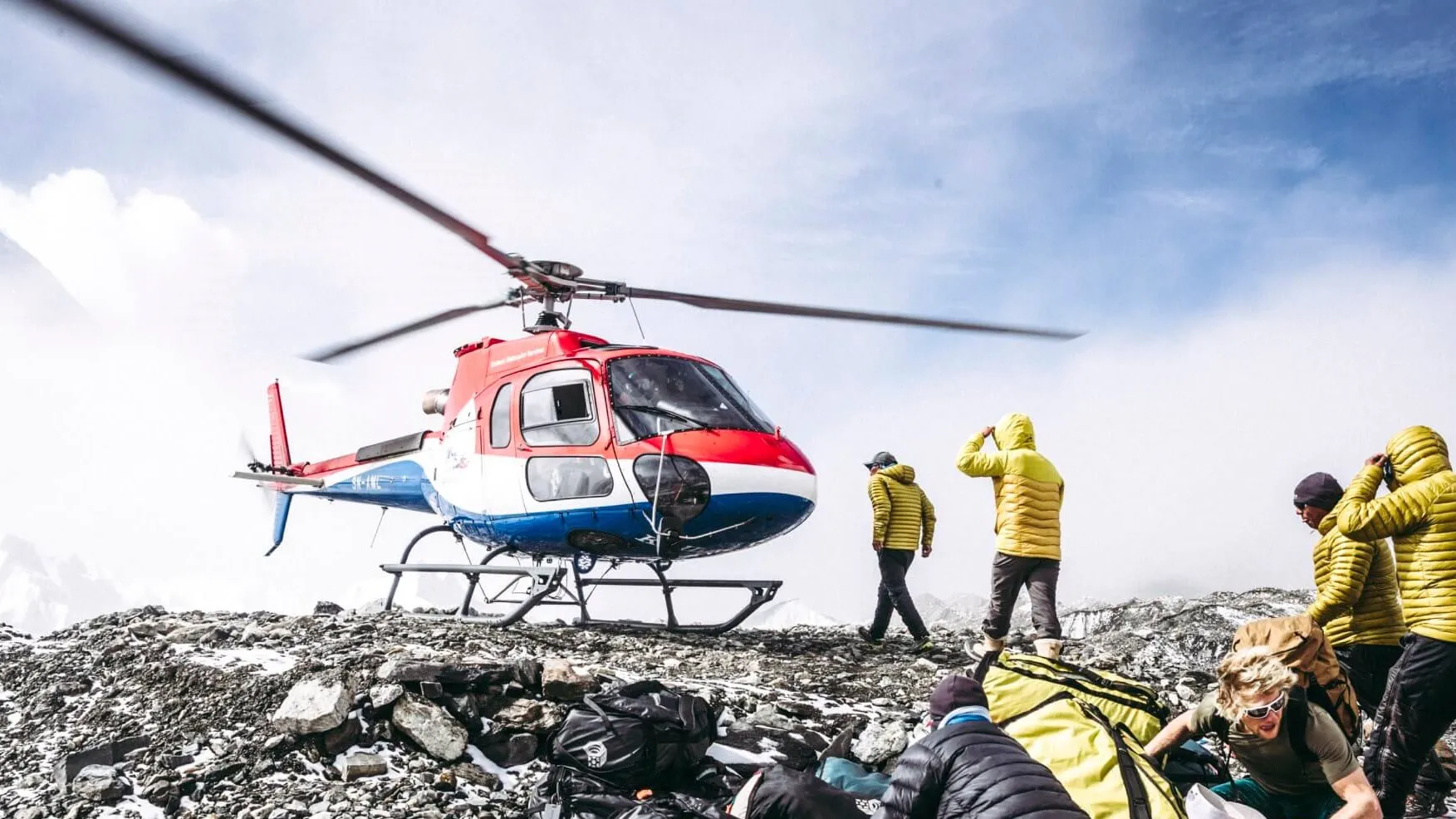
Climbers expecting the adventure of a lifetime were instead fed baking soda in their meals. This chemical additive induced severe gastrointestinal distress, mimicking the symptoms of high-altitude cerebral edema or acute food poisoning. Once incapacitated, tourists were coerced into unnecessary, high-cost helicopter evacuations. Investigators found that hospitals and rescue firms then collaborated to forge medical records and flight logs, billing international insurance companies for services that were either inflated or entirely fabricated.
The Himalayan Deception
Financial records reveal staggering levels of corruption. One major rescue firm allegedly faked 171 missions, pocketing $10 million in illegal payouts. Another company is accused of fabricating nearly 20% of its total rescue operations. This systemic rot has deep roots; despite the Nepalese government’s 2018 attempt to centralize rescue operations and remove middlemen, the lack of prosecution allowed these syndicates to thrive.
International insurers are now reacting to this breach of trust by withdrawing coverage for trekking in Nepal. This shift threatens an industry that provides over one million jobs and forms the backbone of the national economy. Historically, Nepal has struggled to balance its status as a premier global climbing destination with the internal pressures of a high-risk, high-reward tourism market where oversight remains inconsistent.
.webp)