


Fast food culture began eighty-six years ago today
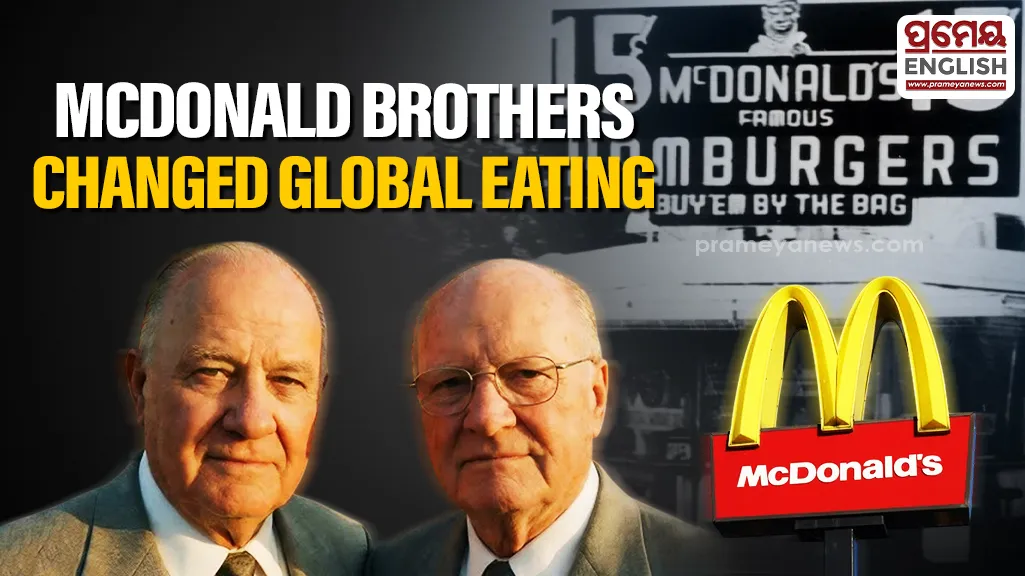
May 15, 1940, stands as the foundation of the modern restaurant industry when Richard and Maurice McDonald launched their inaugural eatery in San Bernardino, California. This initial venture operated as a standard drive-in featuring carhop service and an expansive barbecue-focused menu. Unlike the streamlined gold arches recognized globally today, this location focused on slow-cooked meats before a radical operational shift redefined dining speed.
Success did not come instantly from burgers. The brothers initially operated a hot dog stand near the Santa Anita racetrack before moving to the San Bernardino site east of Los Angeles. By 1948, they realized that most of their profits came from hamburgers. This prompted them to shut down temporarily to simplify their offerings. They ditched the carhops, introduced a self-service window, and cut their menu to just nine items, including 15-cent burgers.
Modern fast food owes its existence to the "Speedee Service System" developed at this California site, which utilized assembly-line techniques to prepare meals. While this American concept took decades to reach every corner of the globe, its influence is now visible across India.
Ray Kroc later joined the brothers in 1954, eventually buying the business and transforming it into a franchise powerhouse now headquartered in Chicago. The original San Bernardino building was demolished in the 1970s, but its impact remains. Today, the site hosts an unofficial museum, preserving the memory of where the world first learned to eat on the go.