
.webp)

Justice Sanjiv Khanna questions independence in poll body appointments
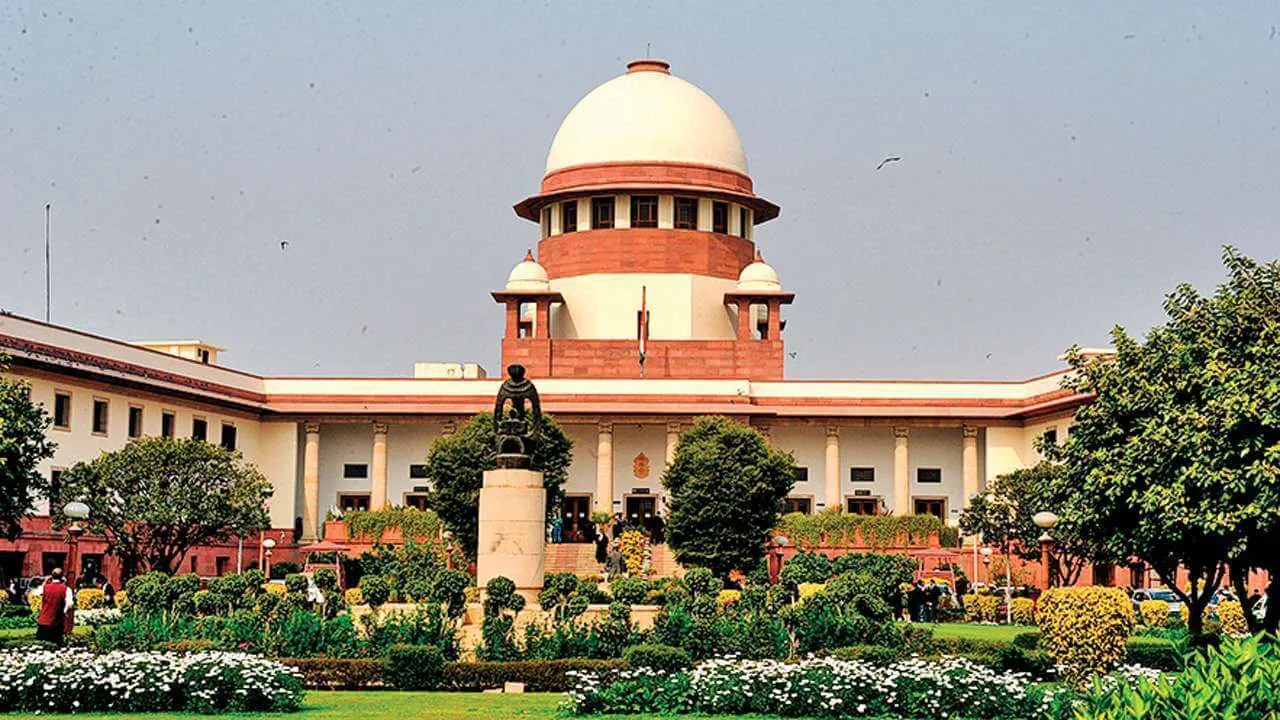
Supreme Court justices recently expressed sharp concerns regarding the procedural integrity of selecting top poll officials, questioning the government on whether the current mechanism truly ensures independence. During a high-stakes hearing, the bench scrutinised the rapid pace at which Gyanesh Kumar and Sukhbir Singh Sandhu were chosen as Election Commissioners. Justice Sanjiv Khanna pointedly asked the Centre why a search committee meeting was advanced so suddenly, leaving opposition members with little time to vet candidates.
Transparency under Scrutiny
Judges observed that providing a list of over 200 potential candidates to the Selection Committee just moments before a final decision lacks the rigor required for such vital constitutional roles. Petitioners, including the Association for Democratic Reforms, argue that the 2023 Act deliberately removes the Chief Justice of India from the panel to grant the executive branch total control. This shift deviates from the 2023 Anoop Baranwal verdict, which had briefly mandated a tripartite panel including the judiciary to prevent political bias.
Legislative Shifts and Judicial Bounds
Historically, the Indian Constitution did not specify a permanent law for these appointments, leaving a "legislative vacuum" for over seven decades that was filled by executive discretion. While the government maintains that Parliament has the sovereign right to craft new laws, the court remains focused on whether the resulting "Selection Committee" is balanced. The current 2:1 ratio—comprising the Prime Minister and a Cabinet Minister against a single Opposition Leader—remains a point of legal friction.
Refusal of Interim Stay
Despite these pointed questions, the bench declined to stay the 2023 Act or the recent appointments immediately. Taking such a step during an active election cycle could trigger administrative chaos. Instead, the court will continue to examine the constitutional validity of the law, balancing the need for institutional purity with the practical requirements of conducting the world's largest democratic exercise.
.webp)