


Bhojshala complex functions as temple, Madhya Pradesh High Court rules.
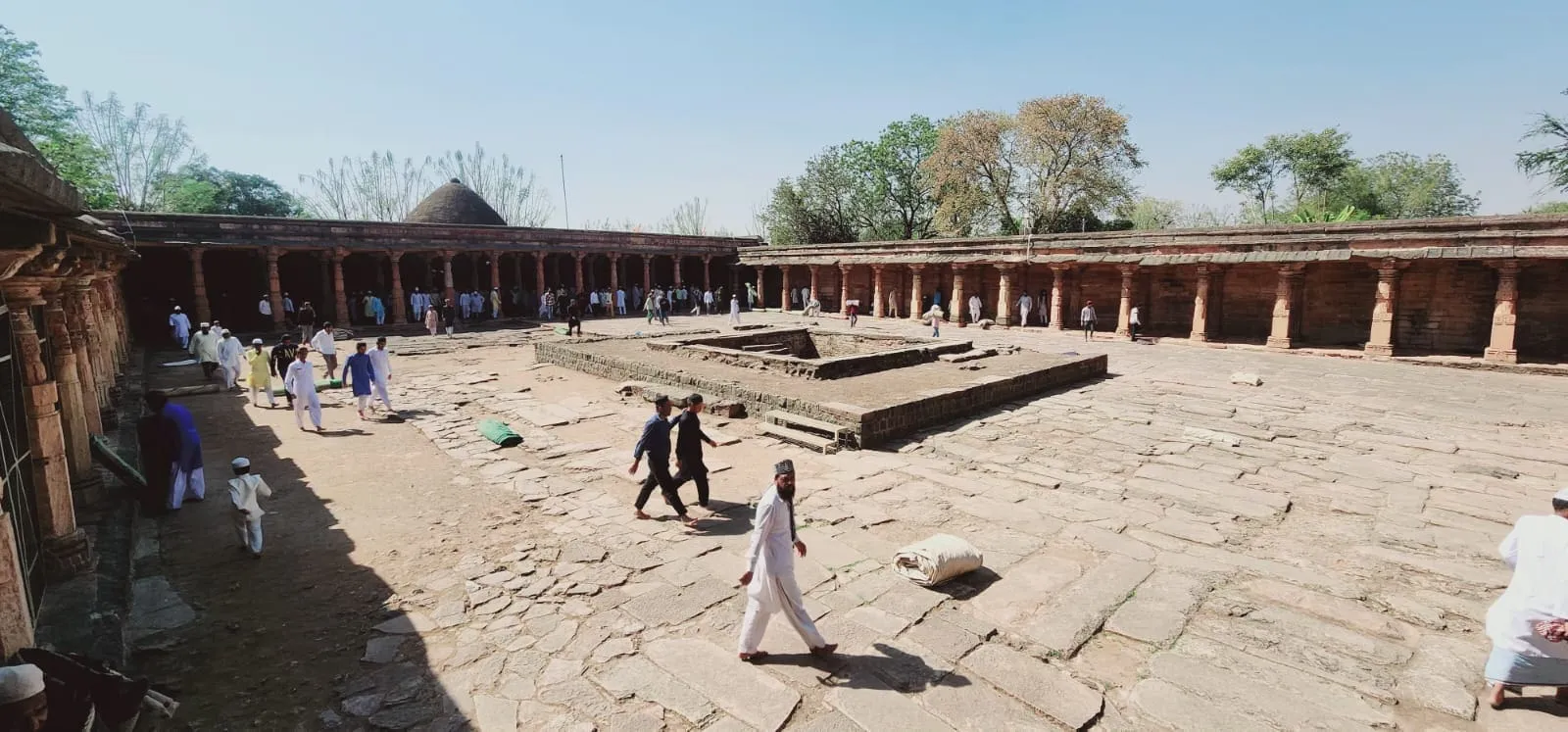
Justice prevailed for historical clarity as the Madhya Pradesh High Court officially recognised the disputed Bhojshala-Kamal Maula Mosque complex as a temple dedicated to Goddess Vagdevi Saraswati. This landmark decision effectively ends decades of ambiguity regarding the site's primary religious identity. Judges based their conclusion on extensive architectural evidence and literary records proving the site served as a premier center for Sanskrit learning under Raja Bhoj of the Parmar dynasty.
Decisions made by the court on Friday scrapped a 2003 order that previously limited Hindu worship rights while allowing Friday prayers for the Muslim community. Under the new directive, the Archaeological Survey of India (ASI) maintains its role as the primary custodian of the monument. However, the bench made it clear that the administration must now align with the site's established character as a Hindu place of worship and educational hub.
Historical records indicate that Raja Bhoj, who ruled from 1010 to 1055 CE, was a celebrated patron of arts and sciences, making Dhar a focal point of Vedic centre of learning. Preservation and regulation of religious practices remain under the strict supervision of the ASI. Interestingly, the court addressed the long-standing demand for the repatriation of the original Goddess Saraswati idol currently housed in a British museum. The bench noted that the Union government should consider existing representations to bring the deity back to its rightful home in Dhar.
Balancing the rights of all citizens, the court suggested that the state government provide alternative land within the district for the construction of a mosque. This offer remains contingent upon a formal application from representative bodies of the Muslim community. This approach aims to maintain communal harmony while correcting historical records. Management of the protected monument will continue to follow the guidelines set by the 1958 Act, ensuring the structural integrity of the ancient site remains uncompromised during this transition.