

.webp)

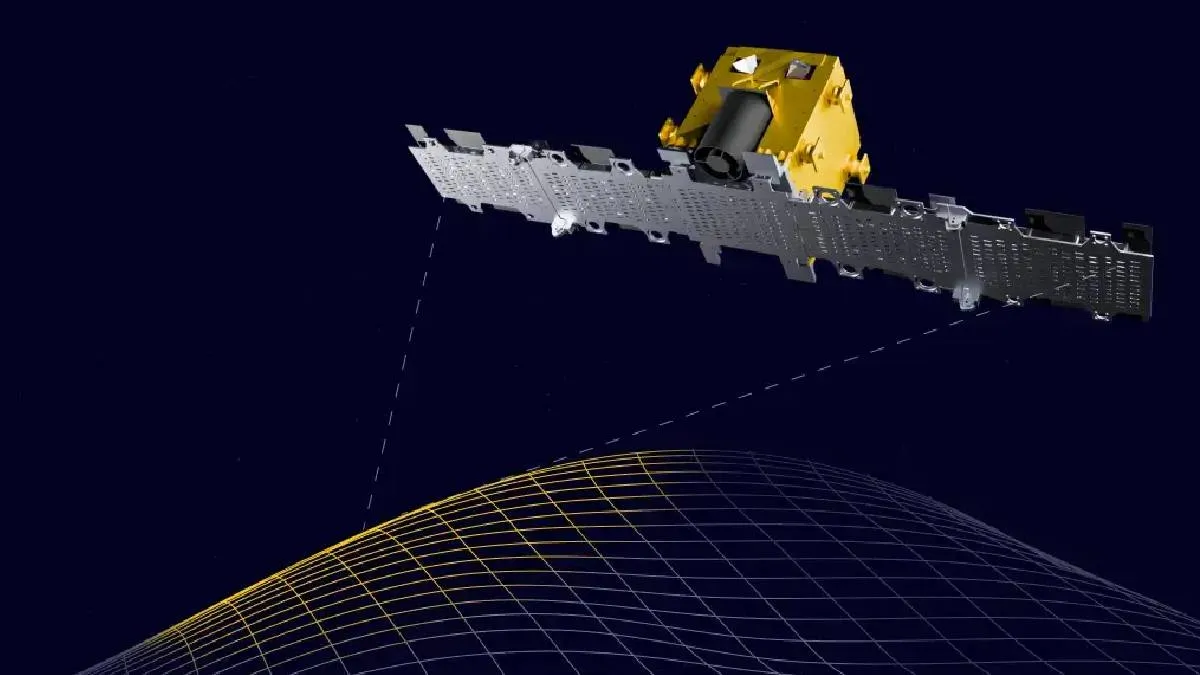
Indian startup GalaxEye launches revolutionary cloud-piercing satellite via SpaceX.
Bengaluru-based space venture GalaxEye successfully placed its Drishti satellite into orbit on Sunday, utilising a SpaceX Falcon 9 rocket launched from California. This mission represents a historic shift for India's private space sector, as it introduces a spacecraft capable of capturing high-resolution images regardless of weather conditions or time of day. While traditional satellites struggle with heavy cloud cover, this indigenous hardware solves a persistent problem for tropical nations.
Breaking the Cloud Barrier
Engineers at the startup, which traces its origins to the innovative labs of IIT Madras, designed the 190-kg satellite to carry a hybrid payload. By merging multispectral cameras with synthetic aperture radar (SAR), the platform provides 1.5-meter resolution imagery. This dual-sensor approach ensures that even during the peak of the Indian monsoon, ground activities remain visible to observers.
Operational independence remains a primary driver for such high-tech missions. Relying on foreign commercial data during regional conflicts or natural disasters often leads to delays or restricted access. With the successful deployment of Drishti, India gains a sovereign "eye in the sky" that operates with 0.3-meter potential in future iterations. Interestingly, this push for private space participation mirrors the growth of Odisha's own rising IT and data centers, which increasingly require precise geospatial data for disaster management and urban planning.
Expanding the Constellation
Success with this maiden launch paves the way for a nine-satellite constellation intended to provide constant global coverage. This scalability aims to serve sectors ranging from precision agriculture to national security. By securing global patents for their unique sensor fusion technology, the team has positioned India as a leader in deep-tech exports rather than just a consumer of Western space data.

.webp)