

.webp)


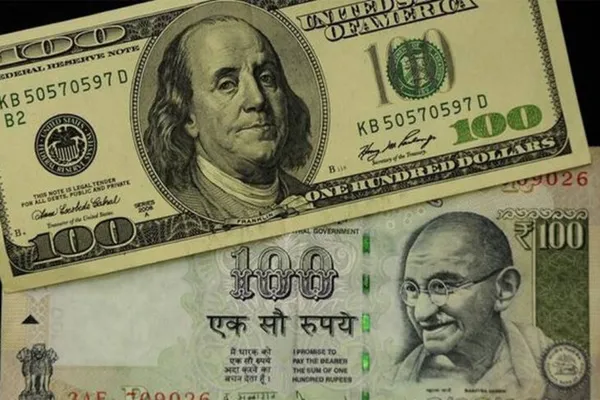
Indian rupee surges following aggressive central bank derivative interventions
Indian rupee rallied to an over one-month high, moving sharply away from its recent record low of 96.96 against the US dollar. Currency markets stabilized following stringent Reserve Bank of India (RBI) regulations and reassuring statements from Governor Sanjay Malhotra regarding long-term valuations. Policymakers noted that based on the Real Effective Exchange Rate (REER), the currency remains fundamentally undervalued despite short-term market irrationality.
Recent regulatory crackdowns explicitly target speculative trading practices in the derivatives segment. Regulatory authorities observed a remarkably high volume of transactions being cancelled and rebooked on the exact same day. To counter this unnatural price discovery, the central bank widened the cash reserve requirement to 20 percent and established a dedicated dollar window for state-run oil-marketing companies. Governor Malhotra clarified that genuine hedgers typically maintain their positions for the entire duration of an underlying exposure, such as an import payment.
Securing domestic price stability relies entirely on maintaining a robust financial system. During the recent October meeting, the Monetary Policy Committee (MPC) raised the benchmark repurchase rate by 25 basis points to 5.5 percent, aiming to contain accelerating inflation and support the currency. While central bank officials insist they do not target any specific exchange rate band, their recent regulatory actions successfully neutralized irrational panic across trading desks.
Market participants now anticipate further policy steps to ensure orderly currency movement without imposing capital controls. Stabilizing the currency ensures that imported price pressures do not derail broader economic growth. As global trade dynamics shift, trading desks remain focused on how these targeted interventions will balance genuine hedging needs against short-term speculative bets.
.webp)