


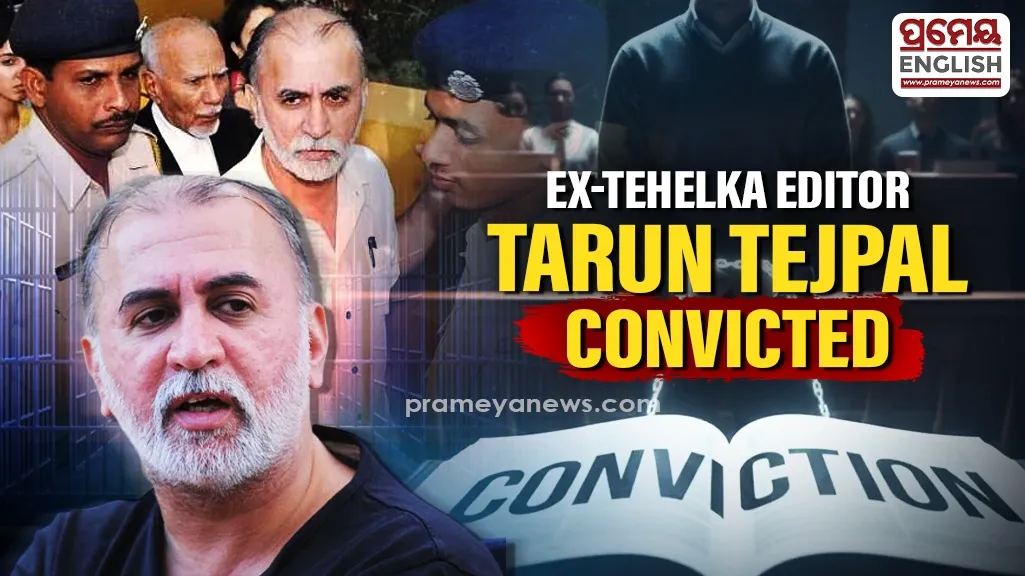
Goa High Court convicts Tarun Tejpal over 2013 charges
Former Tehelka editor Tarun Tejpal now faces a guilty verdict after the Goa High Court overturned his previous acquittal on Thursday. This ruling relates to the 2013 case where a junior colleague accused him of sexual assault inside a hotel elevator during the ThinkFest event in Goa. For context, high-profile cases like this often set legal precedents on how courts evaluate survivor testimony in workplace harassment situations.
High Court Reverses Earlier Decision
Justices Dr Neela Gokhale and Amit Jamsandekar delivered the judgement after hearing detailed arguments. Back in 2021, a trial court in Mapusa cleared Tejpal of all charges. State government officials immediately appealed that decision. Solicitor General of India Tushar Mehta represented the state during the proceedings, while senior advocate Abad Ponda defended Tejpal.
During the recent hearings, Mehta strongly argued that the lower court made a serious mistake. He stated the trial judge wrongly assessed the complainant based on strict, preconceived notions of how a sexual assault survivor should behave. In fact, the 2021 acquittal order specifically claimed the survivor did not display any "normative behaviour" that a victim "might plausibly show". Mehta countered this reasoning effectively before the bench. He pointed out that no universal standard exists for how survivors react to trauma. Individual responses naturally differ based on personal background, education, personality, and specific life circumstances. Trial proceedings originally started in 2017, and this new high court conviction marks a major turning point in the decade-long legal battle.