
.webp)


By BRAJA BIHARI NANDA
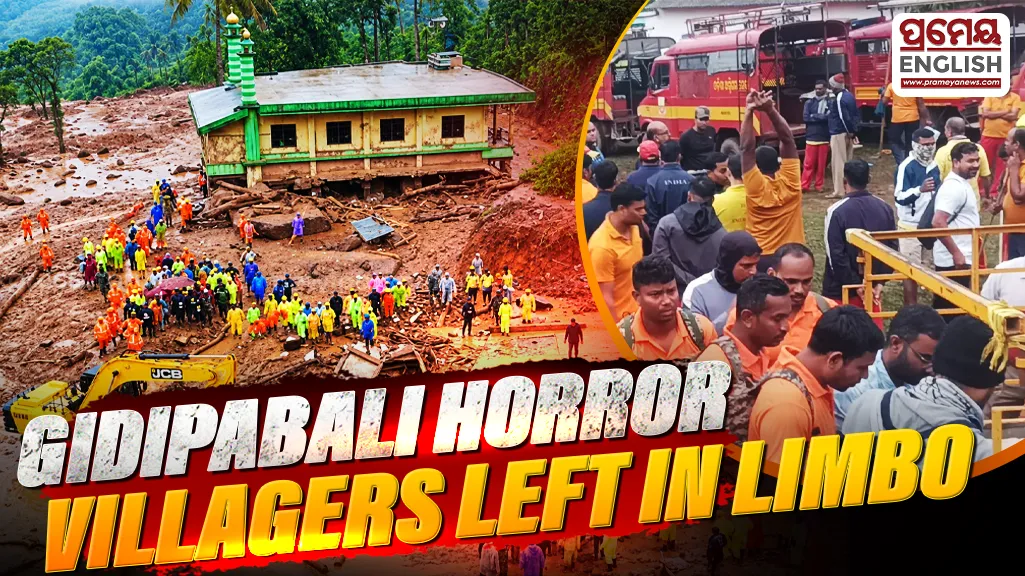
PHULBANI: FOR generations, nine families called Gidipabali home, staying rooted to their ancestral land despite the absence of basic amenities such as roads, electricity, drinking water, a school, or an Anganwadi centre. Now, after a devastating landslide wiped out the village and left 13 people missing, the survivors face a different struggle: finding a safe place to rebuild their lives.
Gidipabali had never even been recognised as a revenue village. Yet, its residents had little reason to leave. Fertile farmland, good agricultural yields and abundant forest resources sustained their livelihoods. The families cultivated paddy, vegetables and turmeric, while the surrounding forests provided a range of minor forest produce. People from neighbouring villages such as Sipaiju and Kruhuba also owned agricultural land in the area.
Despite the hardships, the villagers were reluctant to abandon their homes. Located at the foothills, the settlement faced recurring risks during the monsoon, prompting the administration to make periodic attempts to relocate the residents to safer places. But the families had resisted, having weathered previous rainy seasons without any major incident.
Also Read: Padma Shri awardee and eminent neurosurgeon Dr. Ashok Mahapatra passes away
But all that changed on the night of October 28. Around midnight, torrential, cloudburst-like rain triggered a massive flow of mud, water and boulders down the hillside overlooking the village. The debris swept through Gidipabali, destroying the settlement. Thirteen villagers went missing in the disaster, while another 13 managed to escape. After spending a day on a hilltop, the survivors reached Kalipanga in G. Udayagiri block the following day. They are now staying at a relief camp there.
Having lost their loved ones and their homes, the survivors are struggling to come to terms with the tragedy. With each passing day, hopes of finding the missing alive are fading. MEANWHILE, uncertainty over where they will be rehabilitated has added to their distress.
There is no clarity yet on whether the displaced families will be resettled by the Ganjam district administration within its jurisdiction or continue to live in Kandhamal district. The question has also divided the survivors, with some preferring o settle in the Bhanjanagar area and others wishing to remain in Kandhamal.
RinimaMallik, who lost her husband and is staying at the relief camp with her two children, has her in-laws’ house at Gadingia under Raikia block. Her family had been living in Gidipabali primarily for agricultural purposes. However, she no longer wishes to return to the area.
Sabita Mallik and Manima Pradhan, who are undergoing treatment at the G. Udayagiri Community Health Centre, also wish to settle in Kandhamal. Others, including Subal Pradhan, Madhu Pradhan and Babati Pradhan, are yet to decide where they would prefer to begin life afresh.
With rescue operations still underway, the administrations of Ganjam and Kandhamal districts have not taken a final decision on rehabilitation. The Ganjam administration is in touch with the survivors and holding discussions on their resettlement.
Bhanjanagar MLA Pradyumna Nayak has expressed concern over their plight, saying that Gidipabali was no longer fit for human habitation and that arrangements would be made to provide the affected families with permanent housing at a suitable nearby location.
Kandhamal Collector Vedabhushan said the survivors were still traumatised by the disaster and that discussions on rehabilitation would be held once they had recovered from the immediate shock. The district administration was also in talks with its Ganjam counterpart to identify a safe site in either district for their resettlement, he said. The wishes and preferences of the affected families would be given priority while taking a final decision, he added.
For now, the survivors are left worrying about what lies ahead. While some have young children to care for, the education of others has come to a halt. Having lost their homes, livelihoods and loved ones, they now face the daunting task of rebuilding their lives in an unfamiliar place.
.webp)