


Honouring tireless caregivers who drive global medical excellence daily
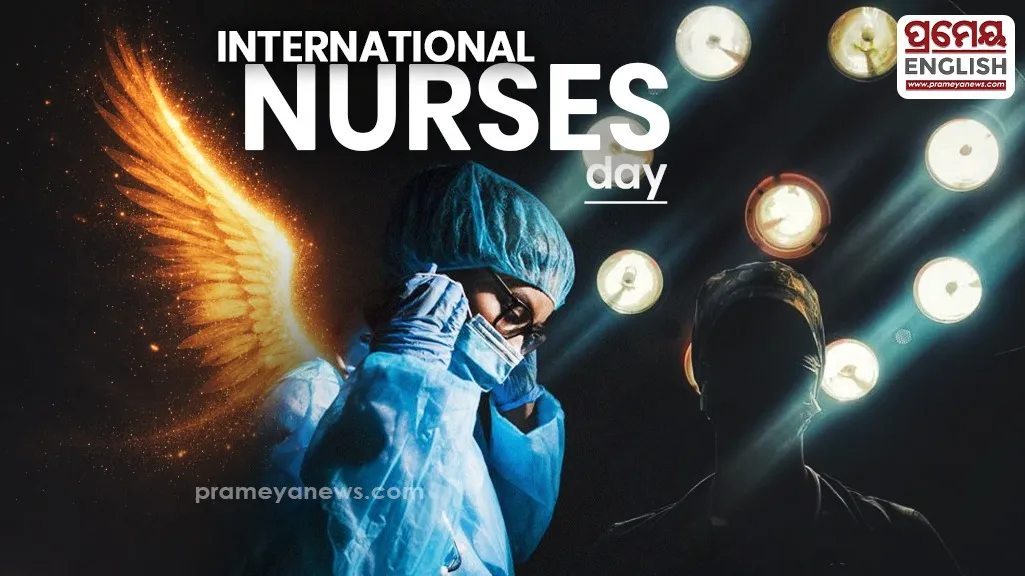
Healthcare systems worldwide are pausing today, May 12, to celebrate the unwavering commitment of nursing professionals on International Nurses Day 2026. This date carries profound historical weight as it marks the birth anniversary of Florence Nightingale, the visionary who transformed nursing into a disciplined, science-based profession during the 19th century.
Empowerment Defines the 2026 Theme
This year, the International Council of Nurses has launched the campaign "Our Nurses. Our Future. Empowered Nurses Save Lives." This directive moves beyond simple gratitude, advocating for robust support frameworks, enhanced safety protocols, and professional growth opportunities. When healthcare leaders invest in nursing staff, patient recovery rates improve and clinical errors diminish significantly. While the idea of a dedicated day surfaced in 1953 through Dorothy Sutherland, official recognition arrived later. The International Council of Nurses began its tributes in 1965, eventually formalizing the May 12 designation in 1974. Today, more than 100 countries participate in these festivities, highlighting a workforce that constitutes nearly half of the global health sector.
Despite their essential nature, professionals in this field face grueling hurdles. Data from the World Health Organization indicates a global deficit of nearly six million nurses. In India specifically, a notable gap exists between the number of registered nurses and those actively practicing, often due to migration for better pay or burnout from excessive workloads. Addressing these disparities is no longer optional; it is a requirement for national health security. Odisha has recently intensified its focus on this sector by upgrading nursing schools to colleges and increasing seat capacities in government-run institutions to bridge the local vacancy gap.
Multifaceted Roles in Patient Recovery
Modern nursing extends far beyond basic assistance. These professionals serve as the primary clinical evaluators in emergency rooms and act as the emotional bridge for families during critical care. From labor rooms to geriatric wards, their technical expertise in administering complex medication and monitoring vital signs remains the foundation of hospital operations. Supporting these individuals ensures that the entire medical infrastructure remains resilient against future crises.