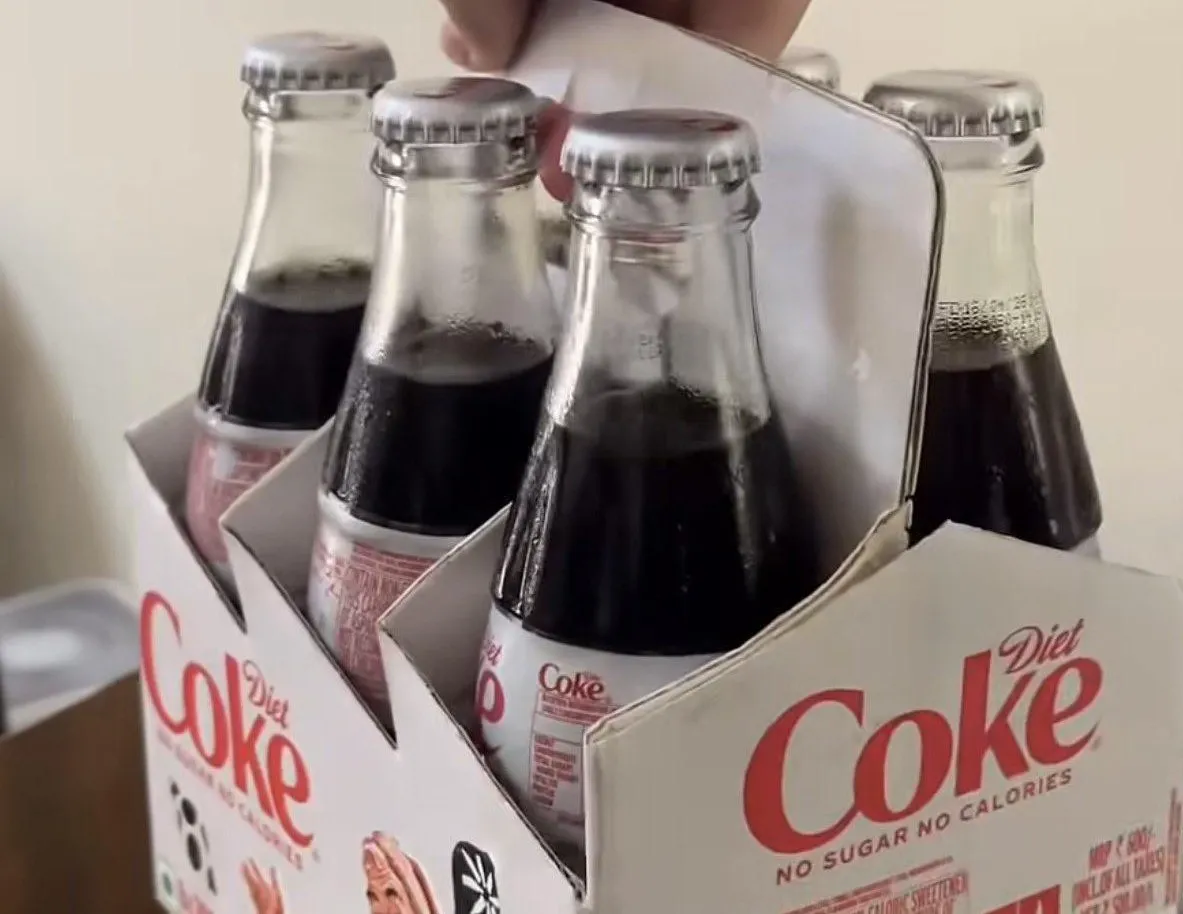
Diet Coke returns to Indian markets in glass bottles with sharp price hike
Diet Coke is back in Indian stores but features a new glass bottle look and a Rs 100 price tag. Logistics issues in the Middle East and a domestic metal shortage forced this shift in packaging
Published By : Satya Mohapatra
| May 11, 2026 3:58 PM
Diet Coke returns in glass bottles at higher rates
Coca-Cola has reintroduced Diet Coke to Indian retail shelves using a glass bottle format, following a prolonged absence that frustrated urban consumers.This return comes with a significant price adjustment, as 200 ml glass bottles now retail for nearly Rs 100 in several cities. This is a steep increase from the previous aluminium can version, which typically sold for approximately Rs 40.
The Packaging Pivot
Retailers in metros like Mumbai, Delhi, and Bengaluru began reporting stock exhaustion in April.Unlike regular Coke or Thums Up, which utilize plastic PET bottles, Diet Coke in India relied almost exclusively on aluminium cans.When the supply of these cans dried up, the product simply vanished.To solve this, the company shifted to glass packaging to bypass the metal shortage and resume distribution.
Global Metal Crisis
Geopolitical tensions involving Iran have choked shipping lanes through the Strait of Hormuz, a critical artery for the global aluminium trade. With the Gulf region producing roughly 9% of the world’s aluminium, the conflict caused prices to surge to four-year highs. This global disruption hit Indian beverage makers particularly hard, as domestic can manufacturers were already struggling to meet demand following new Bureau of Indian Standards (BIS) certification rules implemented in 2025.
Indian beverage markets often face seasonal pressure, but this supply gap coincided with a record heatwave, leaving the growing diabetic and health-conscious population without their primary sugar-free choice. Social media platforms have been flooded with mixed responses. While some enthusiasts are relieved to find the drink again, others have criticized the "aesthetic tax" associated with the high-priced glass bottles. This pricing strategy reflects the increased costs of raw materials and the logistical hurdles of moving glass compared to lighter metal cans.


.webp)


.webp)