

.webp)

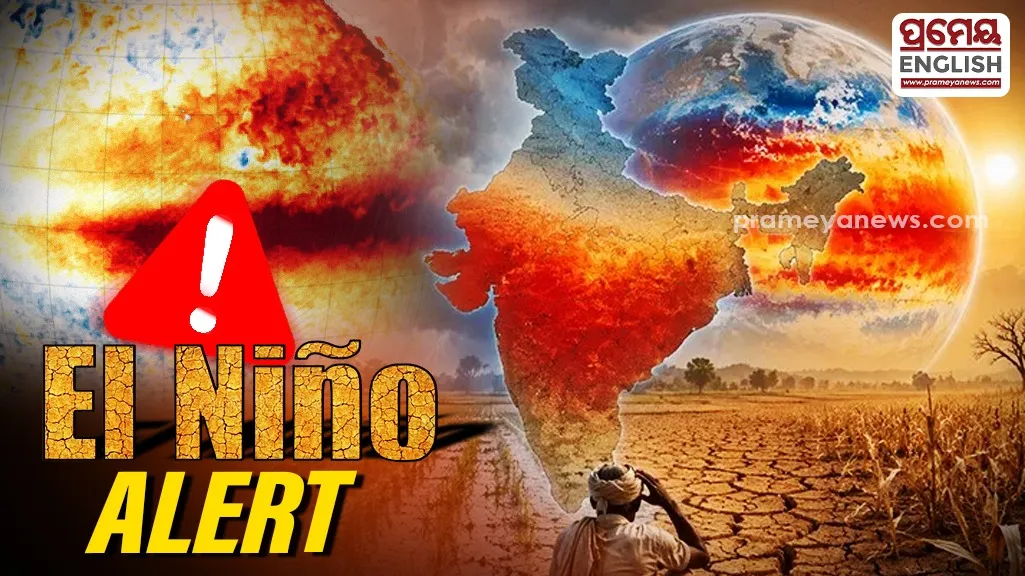
Intensifying El Nino patterns threaten Indian winter crop cycles
India faces uncertain winter weather conditions as an intensifying El Nino develops rapidly over the Pacific Ocean. This strong climate pattern directly follows a severe 13% southwest monsoon rainfall deficit that left regional water reserves depleted. Meteorologists from the India Meteorological Department state this weather event will likely persist into early 2027. It will heavily influence upcoming seasonal temperatures across multiple states. Strong El Nino events bring in warmer winter conditions throughout the country. Large-scale atmospheric circulation shifts actively alter tropical wind patterns thousands of kilometres away. During the 2015-16 season, similar global weather dynamics produced unusually high December and January temperatures. These warm spells were coupled with remarkably low seasonal precipitation. This upcoming weather transition remains extremely critical for the agricultural sector. Farmers rely completely on optimal conditions to cultivate winter wheat and other essential Rabi crops. Regional water shortages from the recent dry monsoon have already put immense pressure on rural farming communities.
Variable Regional Rainfall Patterns
Warmer national temperatures do not guarantee completely dry conditions everywhere. Northwestern states depend heavily on western disturbances for their regular winter precipitation. These fast-moving eastward storms travel directly from the Mediterranean region. They deliver crucial rain to the plains and heavy snow to the Himalayas. Scientific research indicates that specific atmospheric changes can actually strengthen these winter storms and increase regional rainfall. Past climate records clearly show varied outcomes during major global weather events. Severe monsoon deficits occurred during both 1982 and 1987. However, another exceptionally strong event in 1997 resulted in relatively normal seasonal rainfall totals. Local Indian Ocean conditions actively helped balance the broader global weather shifts during that specific year.
Farmers should get ready for this unpredictable and challenging growing season, knowing that past trends do not always guarantee future realities. Local weather systems remain incredibly complex and depend on multiple atmospheric variables working closely together. Precise regional rainfall distribution and specific temperature drops will ultimately determine agricultural success rather than broad international forecasts. Local environmental factors will decide how this crucial season unfolds for communities across India.
.webp)