

.webp)



Indonesian naval patrols seize Bangladesh-bound vessel carrying missile-grade chemical cargo
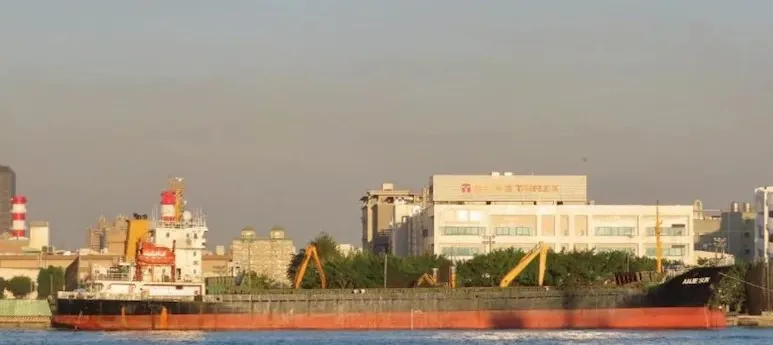
Indonesian naval personnel have intercepted a Comoros-flagged cargo ship sailing from China to Bangladesh after discovering 405 tonnes of sodium perchlorate on board. Detained on November 7 in waters near Belawan, the vessel known as MV Star Line was also transporting millions of unregistered 4G LTE blank SIM cards. Rear Admiral Denny Septiana, who leads Indonesian Navy Regional Command-1 (Koarmada I), noted that this volume of the oxidising chemical could potentially be enough to build up to 100 missiles.
How Naval patrols tracked MV Star Line
Maritime security officers aboard patrol vessel KRI Sigalu-857 initially flagged the ship while it sat anchored near Belawan to take on fuel. According to regional media reports, patrol crews noticed the vessel had drifted away from its approved maritime lane and hailed the crew for routine verification. Initial checks revealed clear mismatches between the ship's paperwork and its physical freight. Following coordination between the KRI Sigalu commander and Koarmada I headquarters, officers launched a detailed search of the vessel. Inspectors examined all 36 shipping containers on deck. Fifteen of those units were listed as holding the 405 tonnes of sodium perchlorate, while another 54 pallets contained the unregistered SIM cards. Speaking on the seizure, Rear Admiral Septiana stated, "From the results of the stop and inspection of the MV Star Line ship, a number of items and documents were found to be the object of inspection and further investigation in the investigation process."
Suspended Papers And Ownership Questions
Investigators in Indonesia are now questioning the crew while tracing who owns the sodium perchlorate shipment and which parties in Bangladesh were meant to receive it. Closer review of the ship's registration records showed paperwork listed as valid until October 8, 2027, yet officials found its active status had already been suspended. "This finding is one of the aspects being further investigated to ensure the compliance of the ship's administration, the legality of the voyage, and the provisions for transporting dangerous goods," Septiana explained. Maritime observers across South and Southeast Asia closely monitor busy corridors linking the Malacca Strait and the Bay of Bengal, where the transit of sensitive dual-use industrial materials often raises regional security concerns.
Also read: Soumya Ranjan death case: Bidyabharati Panda suspended from government Job
Understanding sodium perchlorate Risks
Sodium perchlorate functions as a potent oxidising agent widely used in manufacturing rocket propellants, pyrotechnics, and explosives. While factories and research laboratories also rely on it for standard commercial work, the compound must be handled under strict rules. On its own, the chemical is neither a fuel nor an explosive, yet it can intensify combustion under specific conditions. Because large stockpiles present a serious fire risk, international shipping guidelines demand tight safety controls whenever it moves by sea.
.webp)