

.webp)

Global leaders struggle to find common ground on trade
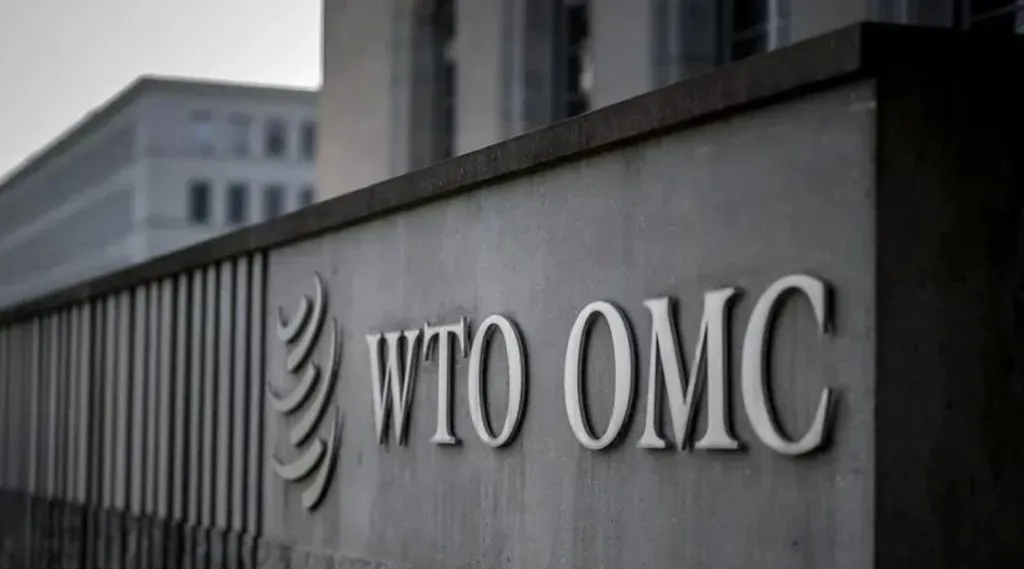
Ministers from 166 nations are heading to Yaoundé this March for the World Trade Organization’s 14th Ministerial Conference, widely known as WTO MC14. Despite global trade hitting massive new heights, experts predict this gathering will mostly end in a stalemate. Deep disagreements between wealthy nations and developing countries continue to paralyse crucial talks. Reports from think tanks suggest the summit will likely just hit the pause button, extending current rules rather than forging new paths.
Food Security and Minimum Support Prices
Securing fair rules for agriculture remains the toughest battleground for developing nations like India. Millions of families rely on the government buying food grains at Minimum Support Prices to maintain buffer stocks and feed the vulnerable. Current global trade rules unfairly flag this public stockholding as market-distorting because they rely on heavily outdated price benchmarks from the late 1980s.
Consequently, India is fighting hard for a permanent fix that protects rural livelihoods. Wealthier countries fiercely oppose giving broad exemptions, creating a massive deadlock that will likely force negotiators to simply extend the temporary peace clause instead of finding a permanent solution.
Protecting Small Fishing Communities
Safeguarding the oceans while protecting local livelihoods is another critical flashpoint. Richer countries want strict limits on financial support for fishing to prevent environmental damage. However, developing nations argue their small-scale, traditional fishers need continued financial backing to survive. Negotiators are struggling to balance these environmental goals with the economic realities of artisanal fishers, making a comprehensive deal highly unlikely at this upcoming summit.
Digital Trade and Dispute Headaches
Tensions are also brewing over digital commerce and how the organization settles its own arguments. Developing economies are losing significant tax revenue because of an ongoing ban on charging customs duties for electronic transmissions. They want this moratorium ended, while richer nations want it made permanent to boost digital businesses.
Meanwhile, the very system designed to resolve global trade fights remains completely broken. With the appeals court effectively shut down since 2019, enforcing trade fairness is incredibly difficult. Ultimately, this upcoming conference will heavily test the credibility of international trade cooperation. Developing countries are standing firm to protect their domestic policies, meaning we should expect a holding pattern rather than major breakthroughs.
Global leaders struggle to find common ground on trade
Ministers from 166 nations are heading to Yaoundé this March for the World Trade Organization’s 14th Ministerial Conference, widely known as WTO MC14. Despite global trade hitting massive new heights, experts predict this gathering will mostly end in a stalemate. Deep disagreements between wealthy nations and developing countries continue to paralyse crucial talks. Reports from think tanks suggest the summit will likely just hit the pause button, extending current rules rather than forging new paths.
Food Security and Minimum Support Prices
Securing fair rules for agriculture remains the toughest battleground for developing nations like India. Millions of families rely on the government buying food grains at Minimum Support Prices to maintain buffer stocks and feed the vulnerable. Current global trade rules unfairly flag this public stockholding as market-distorting because they rely on heavily outdated price benchmarks from the late 1980s.
Consequently, India is fighting hard for a permanent fix that protects rural livelihoods. Wealthier countries fiercely oppose giving broad exemptions, creating a massive deadlock that will likely force negotiators to simply extend the temporary peace clause instead of finding a permanent solution.
Protecting Small Fishing Communities
Safeguarding the oceans while protecting local livelihoods is another critical flashpoint. Richer countries want strict limits on financial support for fishing to prevent environmental damage. However, developing nations argue their small-scale, traditional fishers need continued financial backing to survive. Negotiators are struggling to balance these environmental goals with the economic realities of artisanal fishers, making a comprehensive deal highly unlikely at this upcoming summit.
Digital Trade and Dispute Headaches
Tensions are also brewing over digital commerce and how the organization settles its own arguments. Developing economies are losing significant tax revenue because of an ongoing ban on charging customs duties for electronic transmissions. They want this moratorium ended, while richer nations want it made permanent to boost digital businesses.
Meanwhile, the very system designed to resolve global trade fights remains completely broken. With the appeals court effectively shut down since 2019, enforcing trade fairness is incredibly difficult. Ultimately, this upcoming conference will heavily test the credibility of international trade cooperation. Developing countries are standing firm to protect their domestic policies, meaning we should expect a holding pattern rather than major breakthroughs.
.webp)