
.webp)

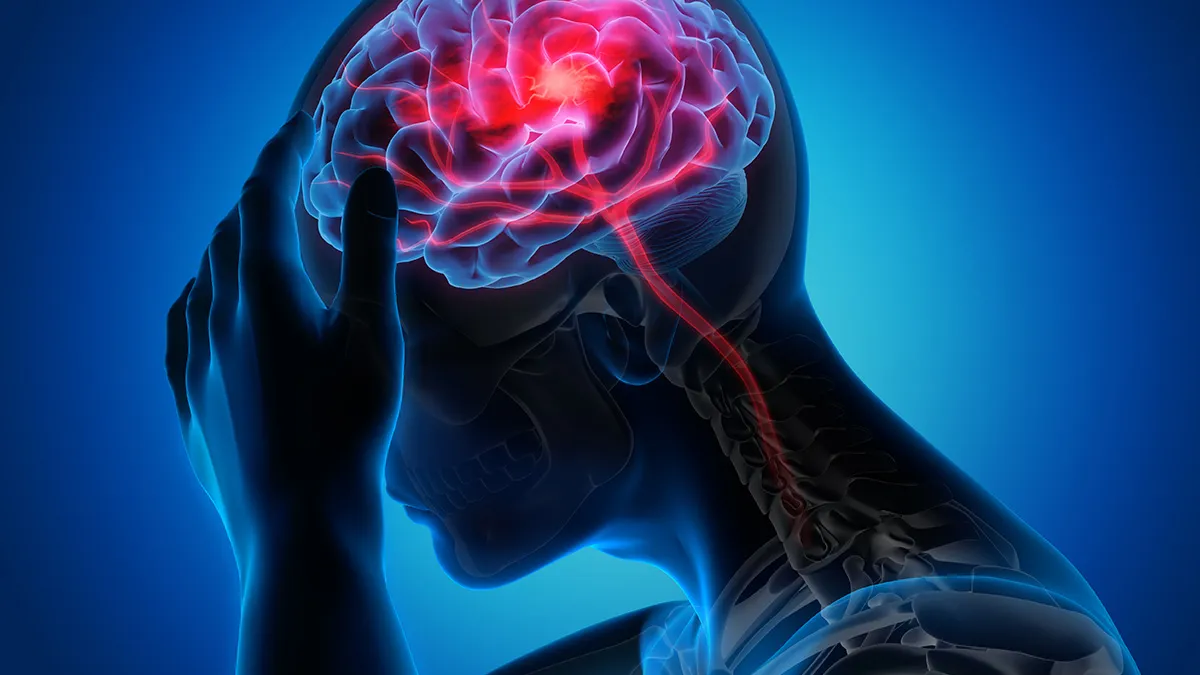
Bhubaneswar, Oct 29: Stroke cases in Odisha have more than doubled in two years, raising concerns among health experts over the growing burden of the neurological condition in the state.
According to state government data, Odisha reported 4,252 stroke cases in 2023–24, while the number crossed 9,000 in 2025–26. The figures have drawn attention on World Stroke Day, highlighting the need for greater awareness, early diagnosis and timely treatment.
Health experts attribute the rise to several risk factors, including high blood pressure, diabetes, obesity, smoking, changing lifestyles, unhealthy dietary habits and genetic predisposition.
Doctors have stressed that the first four-and-a-half hours after the onset of stroke symptoms are crucial. Timely medical intervention during this period can improve the chances of recovery and reduce the risk of severe disability or death.
The Neurology Department at SCB Medical College and Hospital in Cuttack treats around 400 stroke patients annually, with doctors observing a steady increase in cases. AIIMS Bhubaneswar has also reported a similar trend.
Professor Dr Lulup Kumar Sahu said the message for this year's World Stroke Day was that every minute matters. He urged people to seek immediate medical attention when stroke symptoms appear.
Warning signs include facial drooping, weakness in an arm, difficulty speaking and paralysis affecting one side of the body. Anyone experiencing these symptoms should be taken to the nearest hospital without delay.
Two major types of stroke
Doctors classify stroke into two main types.
- Ischaemic stroke: Occurs when a blood clot blocks a blood vessel supplying blood to the brain.
- Haemorrhagic stroke: Occurs when a blood vessel in the brain ruptures, causing bleeding.
Both types can damage brain tissue and may lead to long-term disability or death without prompt treatment.
Senior Neurology Consultant Dr Laxmidhar Padhi said the first four-and-a-half hours after symptoms begin are particularly critical. Receiving appropriate treatment within this period can improve the chances of recovery in eligible patients.
However, the appropriate treatment depends on the type of stroke, the patient's condition and medical assessment. People should not wait for the four-and-a-half-hour window to pass before seeking help.
Rural Odisha faces significant risk
A report published in The Lancet Regional Health – Southeast Asia under the Indian Council of Medical Research's National Stroke Registry Programme highlighted the significant stroke burden in rural areas.
According to the study cited in the report, one in every seven people in rural Cuttack faces a lifetime risk of stroke.
The study analysed stroke incidence and mortality across five regions of India during 2018–19 and identified stroke as a major public health concern, particularly in rural communities. SCB Neurology Professor Dr Ashok Kumar Mallik was among the study's co-authors.
The findings underline the importance of improving awareness, managing risk factors and ensuring access to timely treatment, particularly in rural areas where reaching specialised healthcare facilities can be challenging.
Doctors have advised people to monitor blood pressure and blood sugar levels, maintain a healthy weight, avoid smoking, follow a balanced diet and remain physically active to reduce their risk of stroke.
.webp)