

.webp)

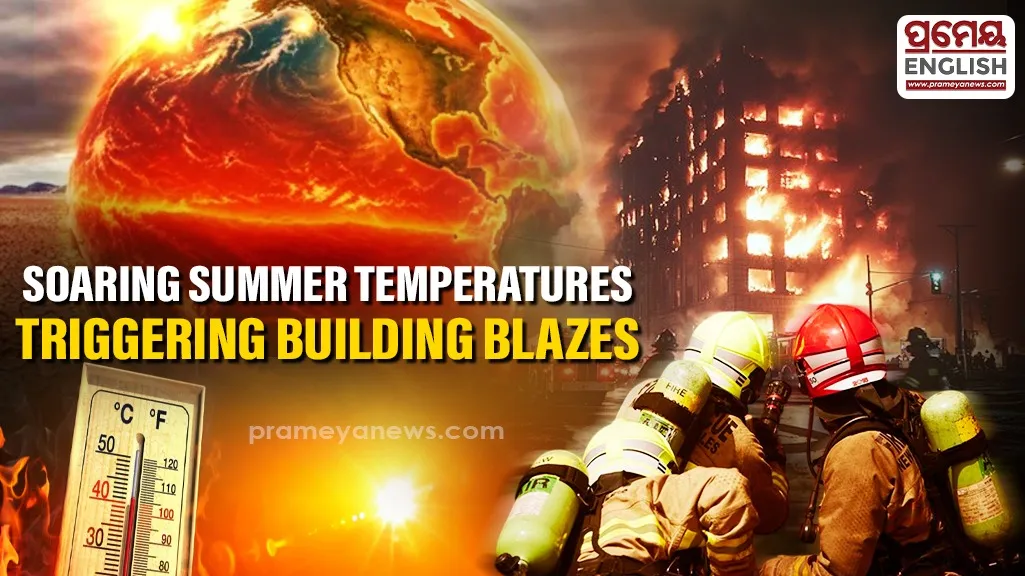
Extreme summer heat triggers deadly electrical blazes across India
Soaring temperatures driven by a fierce El Niño are pushing India's aging electrical infrastructure to breaking point. Record heatwaves have recently triggered devastating short circuits and fatal building blazes across several states. People depend heavily on air conditioning to survive these extreme conditions. This soaring electricity demand overloads vulnerable power grids and outdated wiring. Older electrical systems frequently fail to carry such heavy loads, sparking highly destructive fires.
States like Odisha have long battled intense summer heat conditions, but the current strain on urban power grids presents a severe new threat. Hot weather significantly alters how basic building materials behave, bringing combustible items much closer to their natural ignition points. Dry surroundings instantly catch fire when an overloaded wire finally shorts out. Flames then consume residential and commercial properties within mere seconds. Cooler winter months might allow a small spark to die out safely. Extreme summer heat turns minor faults into raging infernos very rapidly, leaving little time for escape.
Recent figures reveal the deadly reality of this growing infrastructure crisis. Delhi Fire Services recorded 3,410 emergency calls during May 2026 alone. Twenty-one people tragically lost their lives when fire engulfed a Malviya Nagar hotel in South Delhi. Investigators strongly suspect an electrical short circuit caused this terrible tragedy. Other regions currently face similar emergencies. Telangana recorded a concerning 34 percent spike in major fire outbreaks over just five months. A sudden hospital blaze in Bihar also highlighted severe risks facing critical healthcare facilities. Engine wiring faults are even causing a sharp rise in vehicle fires during heavy traffic jams.
Protecting property and human life requires constant vigilance during these severe heatwaves. Property owners must inspect electrical panels regularly to safely handle modern cooling equipment. Give heavy appliances resting periods instead of running multiple air conditioners simultaneously on one circuit. Keep functional fire extinguishers ready at home and inside passenger vehicles. Clear dry vegetation and flammable waste away from building perimeters to stop stray sparks from spreading. Always ensure your property meets updated safety regulations and keeps all emergency exits completely clear.
.webp)