
.webp)


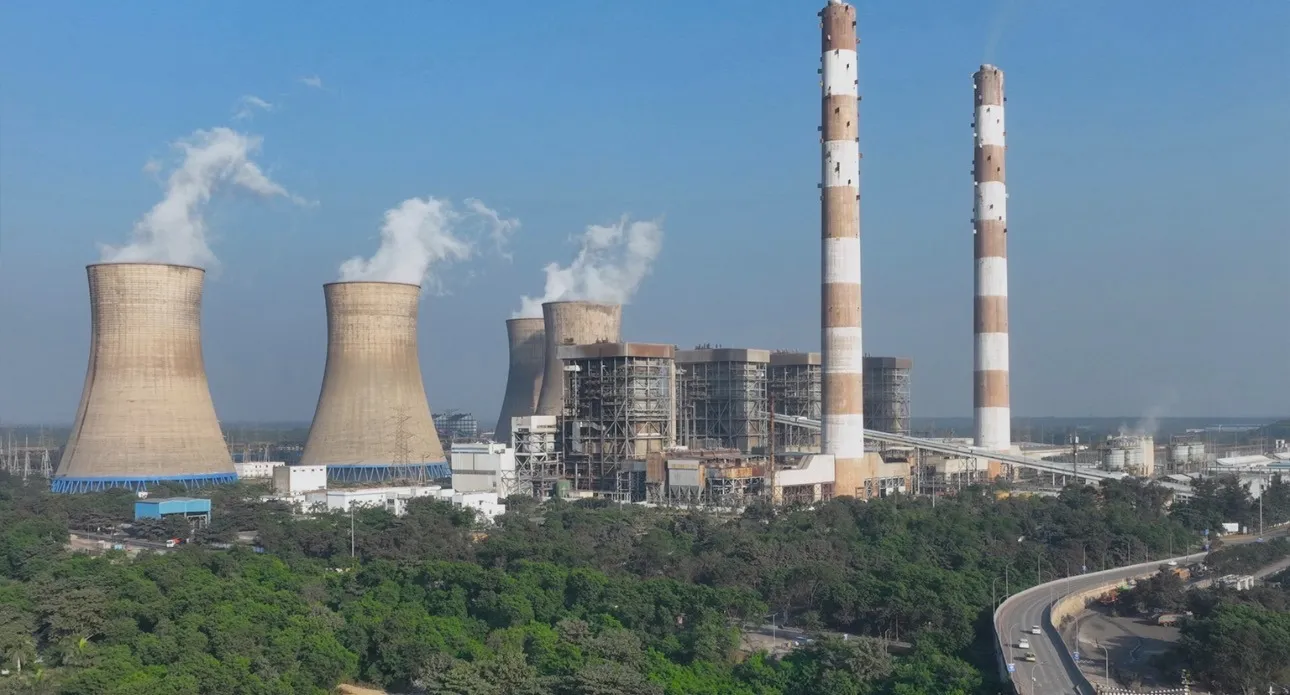
Jharsuguda: Jharsuguda, already one of India's major aluminium-producing centres, is now looking towards the next stage of industrial growth — converting primary aluminium into higher-value products within the district. The proposed Aluminium Park, being developed jointly by Vedanta Aluminium and the Odisha Industrial Infrastructure Development Corporation (IDCO), is intended to create an ecosystem for downstream aluminium manufacturing close to Vedanta's Jharsuguda smelter.
The park is planned over around 253 acres, while the first phase has about 56 acres of plug-and-play infrastructure. Vedanta says the first phase will have access to around 70,000 tonnes per annum of molten aluminium for downstream companies. The park is designed with common infrastructure including roads, power, water, drainage, illumination and a dedicated hot-metal road.
The major attraction of the park is its proximity to the Jharsuguda aluminium smelter. Instead of transporting aluminium away from the district for further processing, downstream manufacturers can use molten aluminium closer to the source and manufacture value-added products.
According to Vedanta, direct access to hot metal can reduce transportation and re-melting requirements, potentially lowering production time and working-capital requirements. The company has also highlighted the potential for reducing emissions associated with long-distance transportation and re-melting.
The park therefore has the potential to create a more integrated aluminium value chain in Jharsuguda — from primary metal production to billets, wire rods, extrusions, fabricated products and other specialised downstream products.
Also Read: The rich heritage & fragile livelihoods of Kutia Kandhas
The park received a significant push in April 2026 when Vedanta signed its first two MoUs with Singhal Steel & Power Pvt Ltd and SCOT-AL Metcon Pvt Ltd for setting up aluminium-based manufacturing units at the park.
The two proposed projects together represent more than Rs 500 crore of investment and are expected to generate around 1,500 direct and indirect employment opportunities, according to reports on the MoUs. These figures are proposed/projected outcomes and should not be treated as completed investment or employment.
The development is significant because it marks a movement from planning the park towards attracting identifiable downstream manufacturing units.
The downstream ecosystem is also beginning to expand beyond the initial two MoUs. In April 2026, the Odisha government cleared a proposal by RunayaEckart Aluminium Powders Pvt Ltd for a Rs 300-crore facility in Jharsuguda to manufacture gas-atomised spherical aluminium powder, with an expected employment potential of about 500 jobs.
Such specialised products can help diversify Jharsuguda's aluminium economy beyond primary metal production.
The biggest potential benefit of the Aluminium Park may extend beyond the large companies establishing manufacturing units there.
A functioning downstream ecosystem can create demand for engineering and fabrication, machine components, electrical works, maintenance services, packaging, logistics, transportation, industrial consumables and other ancillary services.
This can create opportunities for local MSMEs to become suppliers and service providers to downstream companies.
The park's plug-and-play model could also lower the initial infrastructure burden for entrepreneurs. Common facilities such as power, water, roads, drainage and logistics infrastructure are intended to make it easier for manufacturing companies to establish units.
Jharsuguda already has a substantial base of registered enterprises. The district's large MSME ecosystem provides a potential pool of local entrepreneurs who could participate in the emerging aluminium value chain.
However, the key question will be whether these enterprises can actually enter the downstream supply chain.
For that to happen, local entrepreneurs may require technology support, quality certification, finance, skill development, vendor registration, market linkage and technical assistance.
The Aluminium Park's proposed ecosystem, including access to Vedanta's Centre of Excellence and R&D facilities, could potentially help address some of these requirements. Vedanta has specifically highlighted access to its Centre of Excellence and R&D capabilities as an advantage for downstream manufacturers.
The success of the park will ultimately depend not merely on the size of the land parcel or the number of MoUs, but on how many manufacturing units actually become operational.
The 253-acre planned park provides considerable space for expansion, while the 56-acre first phase creates the initial plug-and-play platform. The first two MoUs worth more than Rs 500 crore indicate movement towards downstream investment, while the proposed Runaya project adds another specialised manufacturing activity to Jharsuguda's emerging aluminium ecosystem.
For Jharsuguda, the Aluminium Park could become more than another industrial estate if local enterprises are integrated into its supply chain.
The real measure of its success will therefore be how many local MSMEs become vendors, how many new local enterprises emerge, how much investment comes from entrepreneurs from the district, how many jobs are created locally and how much value addition takes place within Jharsuguda.
📲Follow our WhatsApp Channel for the latest news, breaking updates, and important headlines. Stay connected with us for more updates!
If the park develops as envisaged, it could help Jharsuguda move from being primarily a centre of aluminium production to a broader value-added aluminium manufacturing and ancillary-industry hub.
That transition could provide a new avenue for local entrepreneurship while deepening the industrial base of the district.
The local entrepreneurs and the business community have welcomed the park for the industrial growth as well as the growth in business sectors. It will definitely accelerate the industrial development and economic growth in the region told the Jharsuguda District Small Scale Industries Association President Vikash Sultania. He urged the government to expedite the process of establishment of Aluminium Park and include more MSMEs in the supply chain.
.webp)