

.webp)


Military assets focus on Iranian targets while energy shipments wait
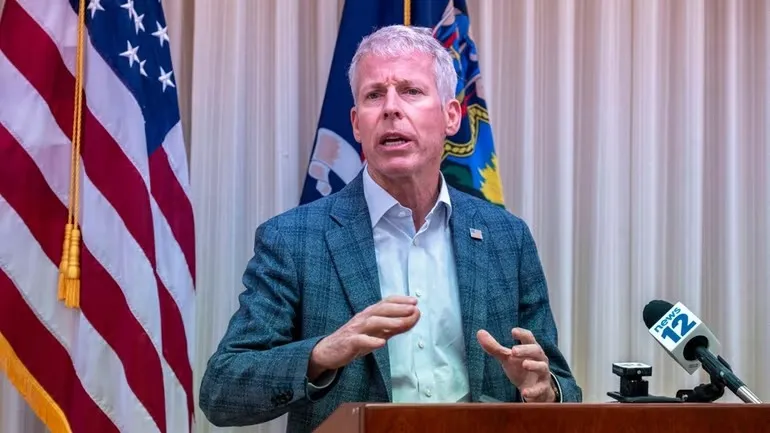
Security operations for oil shipments in the Middle East are currently facing delays. Energy Secretary Chris Wright confirmed on Thursday that the American military is not yet prepared to provide US Navy tanker escorts through the Strait of Hormuz. While the move is intended to protect vital energy routes, current resources are heavily committed to active combat operations. Presently, the military is prioritising the neutralization of offensive capabilities and manufacturing hubs within Iran. This shift in focus comes after recent hostilities, including a fatal strike on tankers near Iraq that pushed oil prices past the $100 mark. Although President Trump previously suggested that naval protection and insurance support would be provided to shipping firms, these missions have not yet commenced. Secretary Wright indicated to Media that while these escorts are inevitable, the timing is not right just yet, though they could begin before the month concludes.
Fears regarding a global oil supply disruption have prompted unprecedented action from the International Energy Agency (IEA). Member nations have agreed to distribute 400 million barrels from their emergency stockpiles, marking the largest release in history. The United States plans to contribute 172 million barrels of this total. This massive intervention aims to stabilize a market rattled by the effective closure of the Strait of Hormuz, a waterway responsible for a fifth of the world's crude oil.
Navigating the Strait of Hormuz oil crisis has forced some tankers bound for India to take drastic measures, such as turning off tracking systems. To manage the strain on the India oil supply impact, Washington has implemented a pragmatic solution by easing certain restrictions on Russian maritime oil. This temporary waiver allows India to purchase specific supplies to prevent a domestic energy shortage. Wright clarified that this move is a logistical necessity rather than a political favour to Moscow, ensuring that oil already at sea reaches its destination.
.webp)