
.webp)


Furious diplomatic debate erupts during critical security consultation
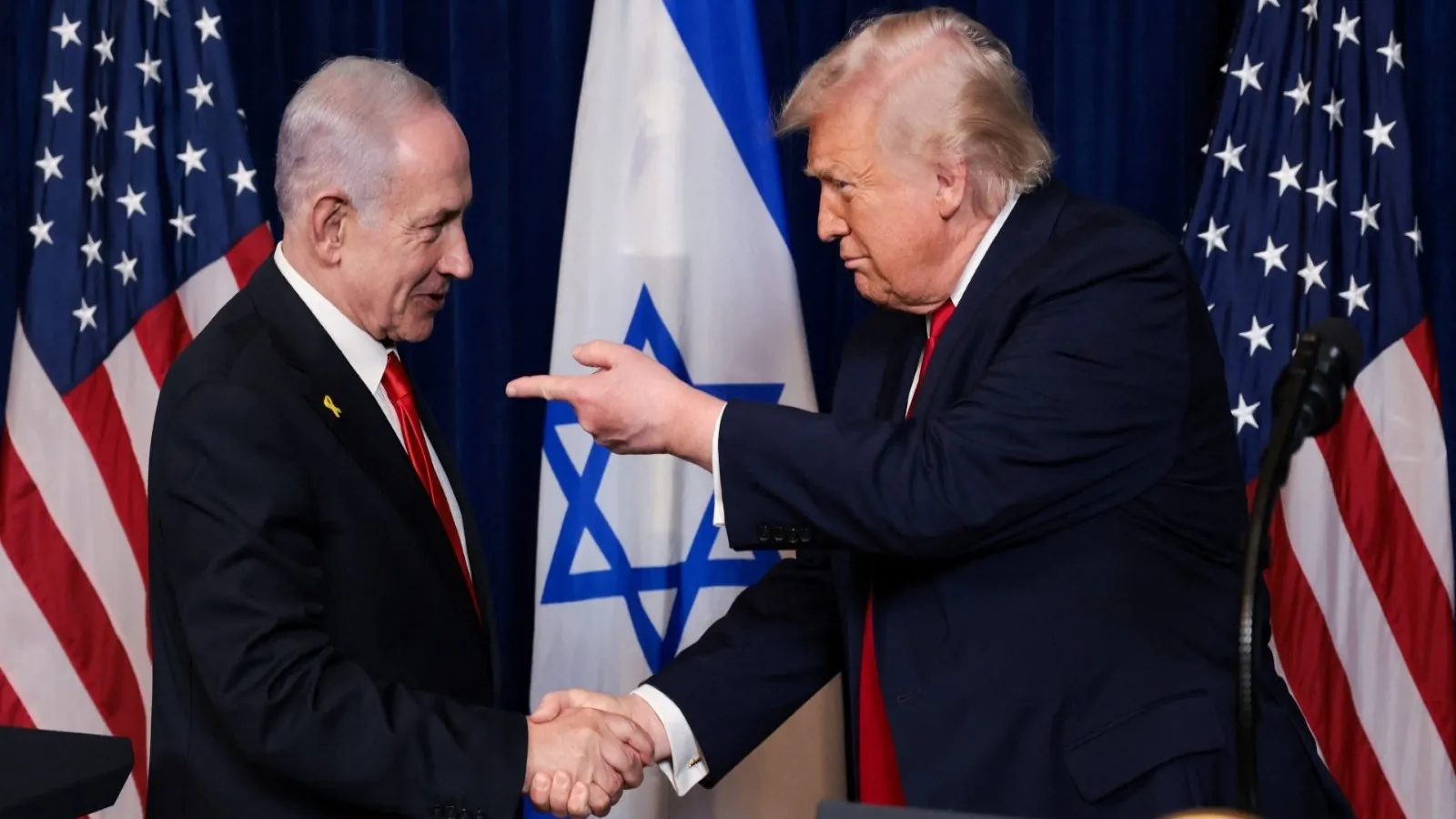
Disagreement derailed a highly anticipated communication link between Washington and Jerusalem as a new diplomatic blueprint for the Middle East caused a significant rift. United States President Donald Trump and Israeli Prime Minister Benjamin Netanyahu shared an exceptionally difficult conversation regarding a freshly revised diplomatic draft aimed at resolving hostilities with Tehran. Sources familiar with the interaction noted that the Israeli leader left the conversation in an absolute frenzy, with one insider describing him as having his "hair on fire" due to the sudden shift in American strategy toward regional diplomacy.
Strategic Friction over Western Diplomacy
Insiders reveal that the current friction stems from a coordinated effort by regional mediators, including Qatar and Pakistan, to construct a formal letter of intent. This proposed framework aims to establish a structured timeline for direct negotiations between Washington and Tehran, offering a potential path toward lifting specific sanctions in exchange for strict verifiable limits on nuclear development. While the American administration indicates a desire to exhaust all diplomatic avenues before reverting to military measures, Jerusalem remains deeply suspicious of any agreement that allows the Iranian government room to manoeuver.
Divergent Security Paths
Precedents show that Washington and Jerusalem frequently diverge when calculating long-term deterrence. During previous rounds of regional stabilisation talks, Israeli defence officials consistently argued that structural disruption of adversary infrastructure yields better security results than international paperwork. The current friction mirrors past policy divides over the 2015 nuclear pact, a scenario that local analysts note heavily influences modern Israeli defensive calculations.
Congressional Briefings and Official Silence
Reports indicate that Israel’s ambassador to Washington took the unusual step of briefing American lawmakers regarding the Prime Minister’s profound anxieties following the communication. Though embassy representatives later downplayed the briefing by refusing to verify private discussions, the diplomatic community remains on high alert. The White House and the Israeli Prime Minister’s Office have officially maintained strict silence regarding the leaked details of the confrontation, even as regional actors continue reviewing the updated proposal drafts.
With Inputs from Agency Threads and Image Courtesy: ANI
.webp)