


Digital adoption fuels double-digit growth in Indian food delivery
India's online food delivery market is transitioning into a high-engagement phase, with projections suggesting the sector will hit $27 billion by 2030. Financial research from Investec Equities indicates a 19 percent compound annual growth rate, shifting the focus from simply gaining new users to increasing how often existing customers order. While major metros currently dominate 75 percent of the market value, smaller Tier-2 cities now contribute nearly a quarter of total revenue, signaling a massive geographic broadening of digital habits.
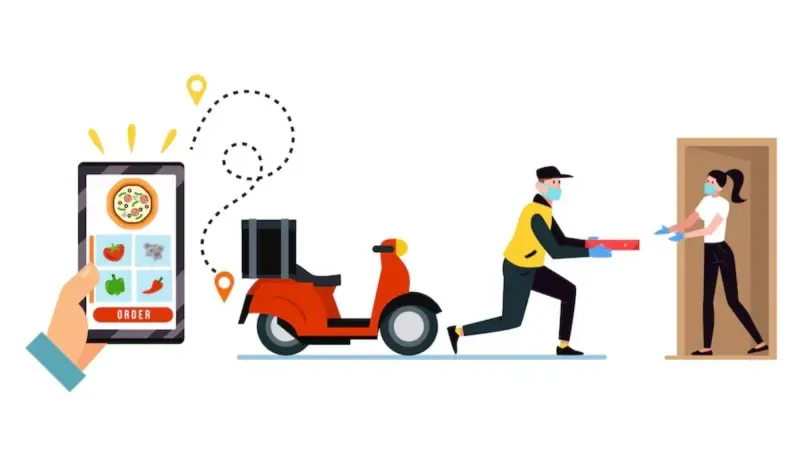
Structural changes in Indian society are facilitating this expansion. Nuclear families, longer professional hours, and a lack of traditional domestic support systems push more households to choose app-based dining over home cooking. Currently, the average Indian consumer orders three to five times per month. This frequency remains low compared to the eight to ten orders seen in the US, suggesting a significant "frequency gap" that platforms are now aggressively bridging.
Infrastructure and Local Impact
Organised restaurant chains and cloud kitchens are providing the necessary supply to meet this rising demand. Interestingly, for a state like Odisha, this national trend mirrors the rapid digital penetration seen in cities like Bhubaneswar and Cuttack, where local food tech ecosystems are expanding beyond traditional borders. Improved logistics and reliable delivery networks ensure that organized players, who held roughly 40 percent of the market in 2020, are expected to control over 60 percent by the end of the decade.
Projections show the transacting user base reaching 137 million by 2029. Success no longer depends solely on app downloads but on converting casual shoppers into monthly active users. As average order values rise alongside premium menu additions, the industry is cementing its place as a permanent fixture in the Indian consumption landscape.
Inputs from Agency Threads