


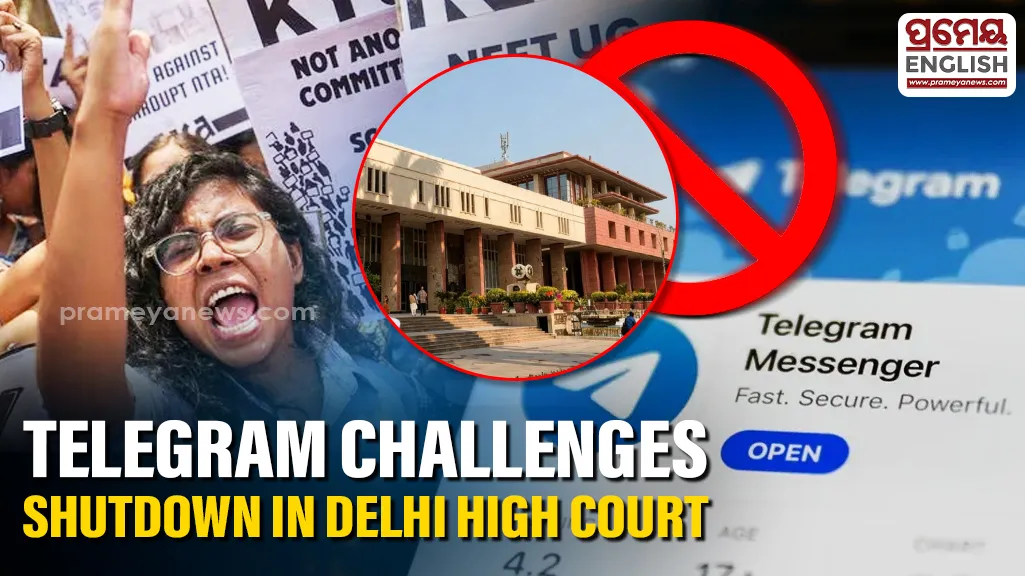
Messaging platform Telegram has formally challenged the Union government's temporary suspension order before the Delhi High Court. Justice Tejas Karia agreed to hear the urgent plea on Wednesday, just days before the scheduled NEET-UG 2026 re-examination. This legal confrontation follows a Ministry of Electronics and Information Technology order invoking Section 69A of the Information Technology Act, which effectively cuts off access to the platform nationwide until June 22. Indian authorities have frequently resorted to regional internet blackouts to prevent cheating during state-level recruitment exams, but this nationwide block on a single major communication platform represents a significant escalation in regulatory intervention.
National testing officials recommended the action after discovering numerous extortion networks operating under names like "PAPER LEAKED NEET." Fraudsters were allegedly demanding heavy sums from vulnerable students for fake question papers. Furthermore, the government ordered the platform to disable its message-editing tool until June 30. Officials revealed that rogue channel admins manipulate older posts by inserting actual question sheets post-exam while preserving original timestamps to fabricate evidence of prior leaks.
"Banning the platform punishes over 150 million innocent users in India instead of targeting the actual fraudsters," countered Telegram chief executive Pavel Durov. Digital rights advocates like the Internet Freedom Foundation also criticised the suspension, calling it a disproportionate response to academic malpractice.
Police units in Bihar and Gujarat have already busted inter-state cyber networks that siphoned off nearly Rs 1.5 crore from desperate candidates. While the Indian Cyber Crime Coordination Centre continues its multi-state investigation, testing authorities confirmed that the June 21 re-test will proceed as planned. They urged students to ignore online scams and rely solely on official channels for updates.